
Why Do We Feel Nostalgic? The Science Behind the Emotion
Why do we feel nostalgic? Neuroscience reveals how memory triggers emotions, why scent is the strongest trigger, and why nostalgia requires an 8-30 year window to work.
Ten minutes, slightly smarter
35 articles
Curiosities is our home for the wonderfully odd — the questions that do not fit neatly into any one subject but are far too interesting to ignore. Why are some things shaped the way they are? How did a familiar word or color get its name? What is the story behind an object you have used a thousand times without a second thought?
These are the facts that make you stop mid-scroll and think 'wait, really?' Each one is checked against reputable sources, because a surprising claim is only worth sharing if it actually holds up.
Dip in below. There is no particular order here — just one small, verified delight after another.
Why do we feel nostalgic? Neuroscience reveals how memory triggers emotions, why scent is the strongest trigger, and why nostalgia requires an 8-30 year window to work.

The houseplant trend didn't start in 2020. Trace the cyclical history of why humans buy plants, kill them, and buy more—from Victorian ferns to TikTok fiddle-leaf figs.
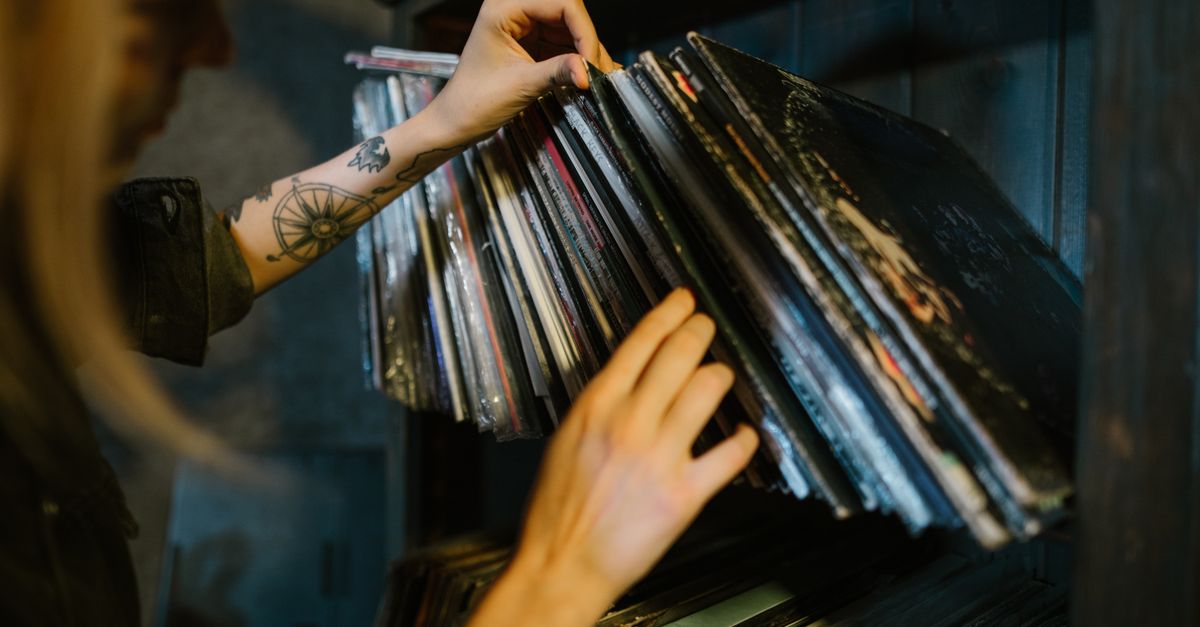
Why collecting behavior feels both rewarding and compulsive — the neuroscience of loss-aversion, identity, and when a hobby becomes hoarding psychology.

The neuroscience behind why baby animals trigger dopamine release and activate the same reward centers as food or gambling — and why you can't stop scrolling.

Why every human culture has ghost stories—from ancient Rome to modern Japan. The universal pattern reveals something about how we process grief and enforce rules.
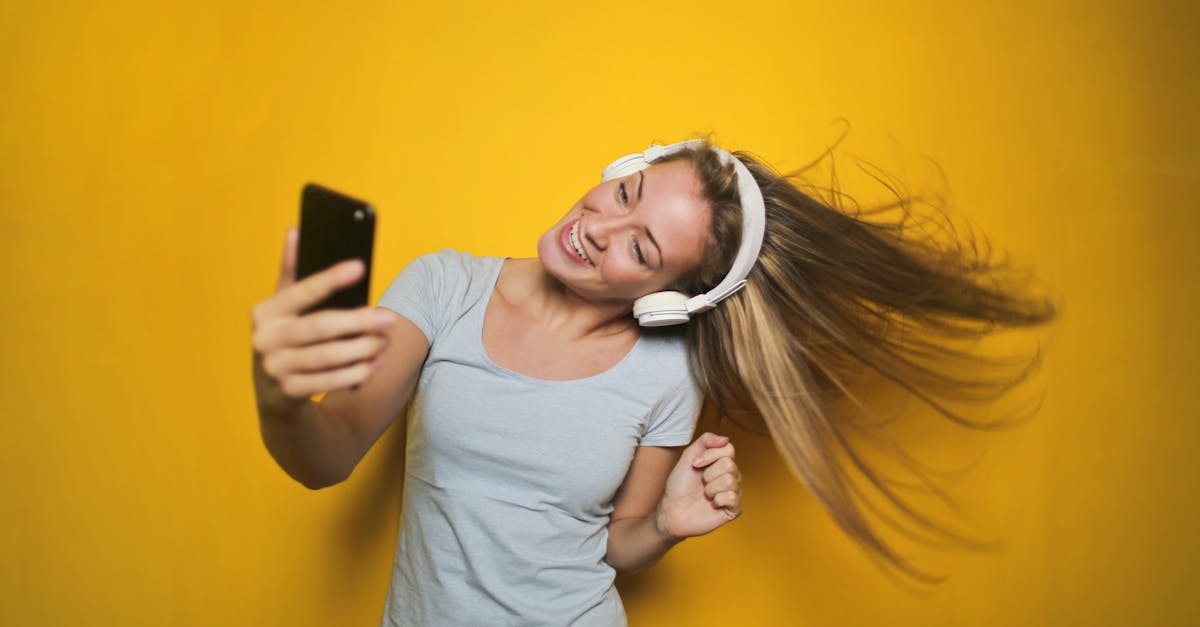
Your brain predicts the next beat and moves into it before you consciously decide. Here's why music makes us move—and why some people don't respond at all.

Color psychology is real neuroscience, but weaker and more cultural than marketing claims. Here's what actually happens when you see red, blue, or yellow.

The smell of old books triggers nostalgia through direct brain pathways—but you might be nostalgic for something you never experienced.

Why do we toast before drinking? The ritual creates a synchronized moment of shared attention—and it survived because it solves a real social problem.

From jade plants attracting wealth to gifting succulents bringing bad luck, these plant superstitions persist—and some encode real gardening wisdom.

Handwriting feels deeper than typing because it's slower—and that friction forces your brain to think harder. Here's the neuroscience behind why handwritten notes stick.
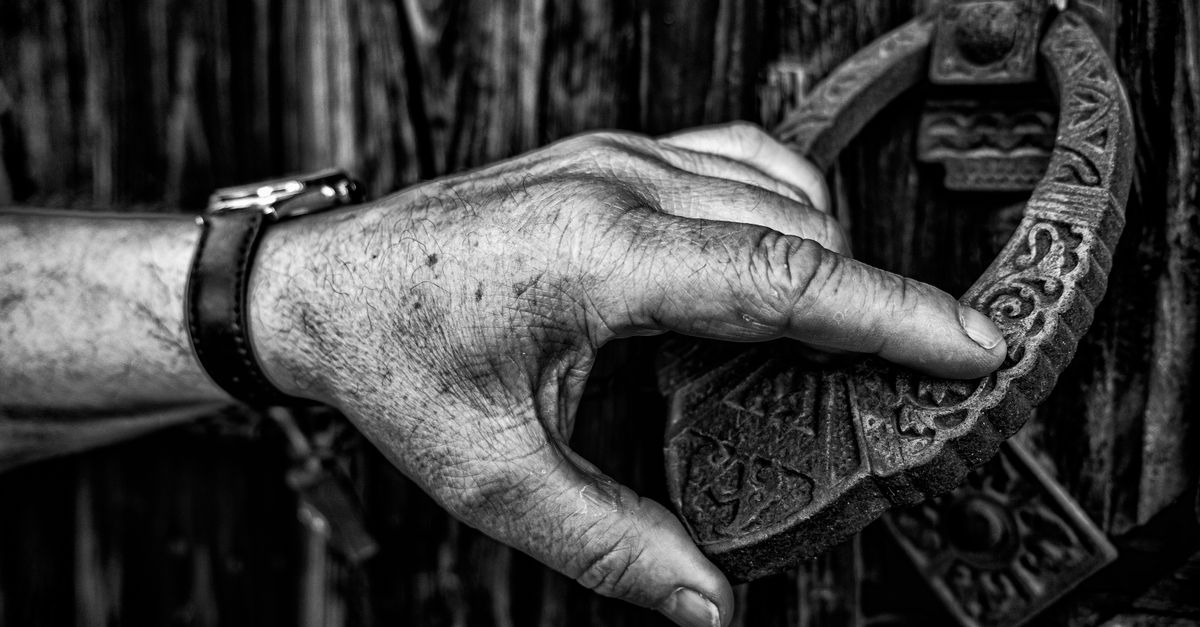
Why do we knock on wood after tempting fate? The origins involve ancient tree spirits, Christian relics, and a surprisingly recent phrase—plus why educated people still

Why do we gossip? It's not a character flaw—it's an evolutionary adaptation for social bonding and learning. Here's the psychology behind why humans gossip so much.

Swearing when you stub your toe isn't just venting—it's your body's automatic pain-relief system at work. Here's why curse words specifically help with pain.

Gen Z's 2000s revival isn't typical nostalgia—it's curation of a decade they never lived. Here's why the aesthetic took over.
We ghost on dating apps because they remove social friction and consequences. Here's why the design of dating platforms makes disappearing feel easier than saying no.

The earthy smell of rain triggers powerful memories and emotions. The neuroscience and chemistry behind why petrichor feels so good—and why some barely notice it.
Why do we touch wood for luck even when we don't believe in superstitions? The ritual survived centuries because it works—not magically, but psychologically.

Phantom phone vibrations aren't a glitch—they're your brain's prediction system working overtime, creating phantom sensations 80% of smartphone users have felt.

Music triggers chills through predictive surprise and dopamine release. Learn why only 40-50% of people feel frisson and what the brain does at those peak moments.

Why we overspend on small purchases has less to do with willpower and more to do with how our brains process low-cost decisions. Here's the psychology behind it.

Why do we say bless you after sneezing? The ritual comes from medieval plague panic and soul-escape superstitions—and it survived as reflex politeness we can't shake.

Why we forget names instantly has less to do with your memory than how your brain encodes meaningless information. Here's the science behind name recall.
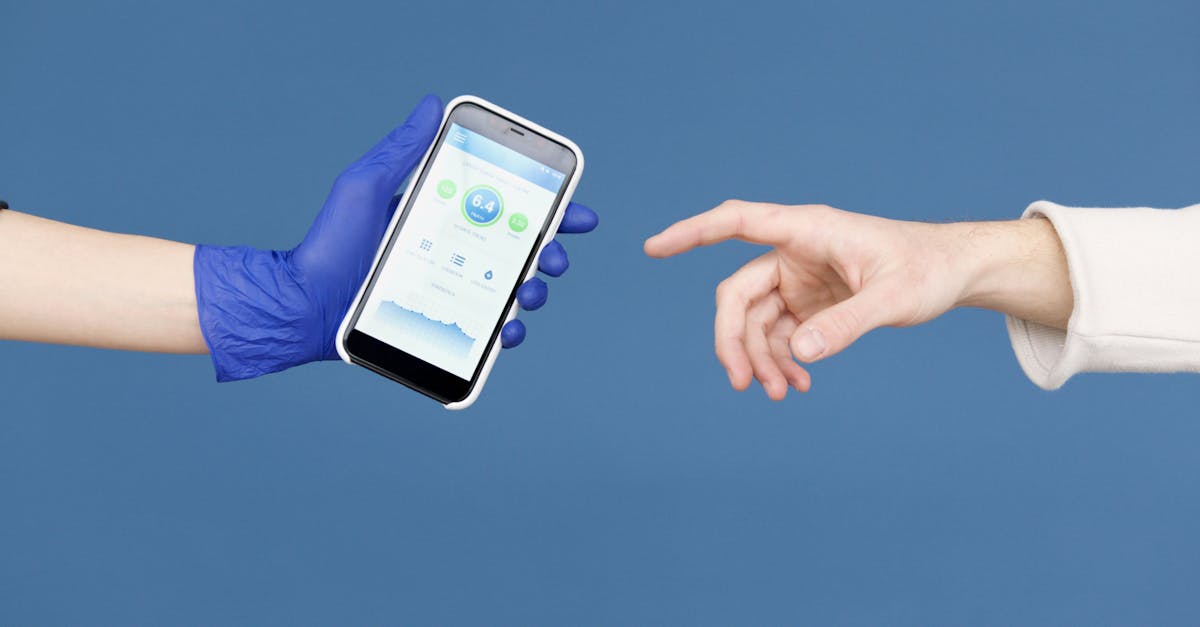
Breaking bad habits is hard because of brain architecture: habits live in the basal ganglia, willpower in the prefrontal cortex. Here's what science says works.
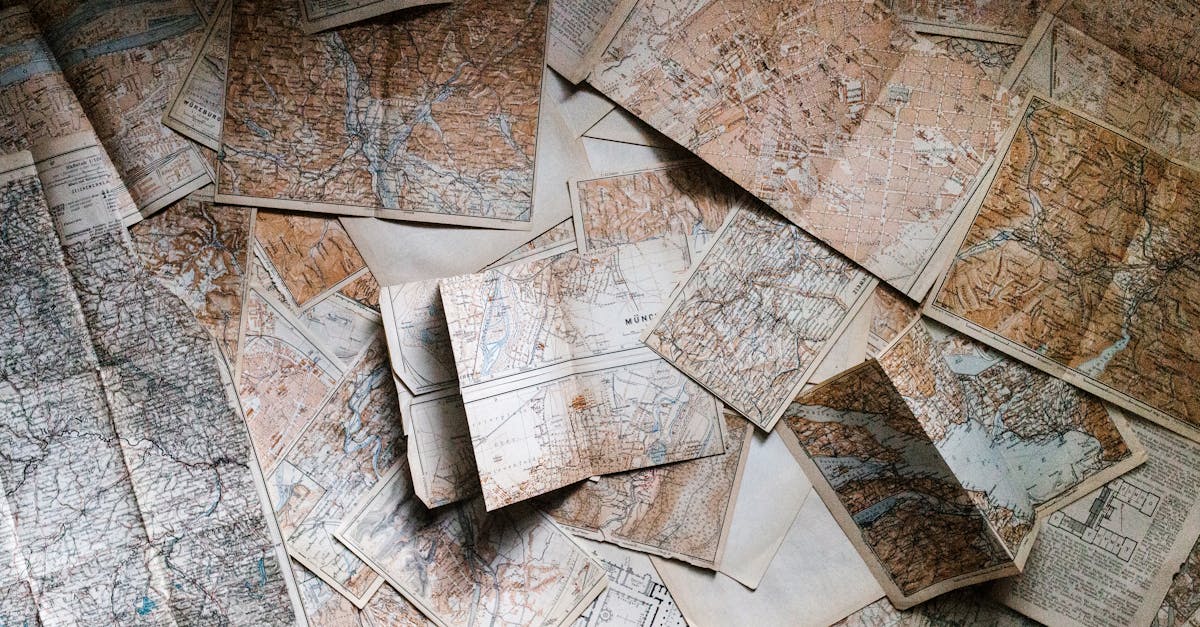
Some city names are inside jokes, some are spelling mistakes, and some reveal buried languages. Here's the real story behind place names that don't make sense.

Why lists are so satisfying has to do with your brain's limited working memory and need for control. The satisfaction starts before you check anything off.

Remember the Motorola Razr and BlackBerry? These forgotten tech gadgets of the 2000s dominated our lives—then vanished in about five years flat.

Forgotten fashion trends of the 2000s like low-rise jeans and trucker hats defined a generation. Here's why they vanished—and why they're coming back now.
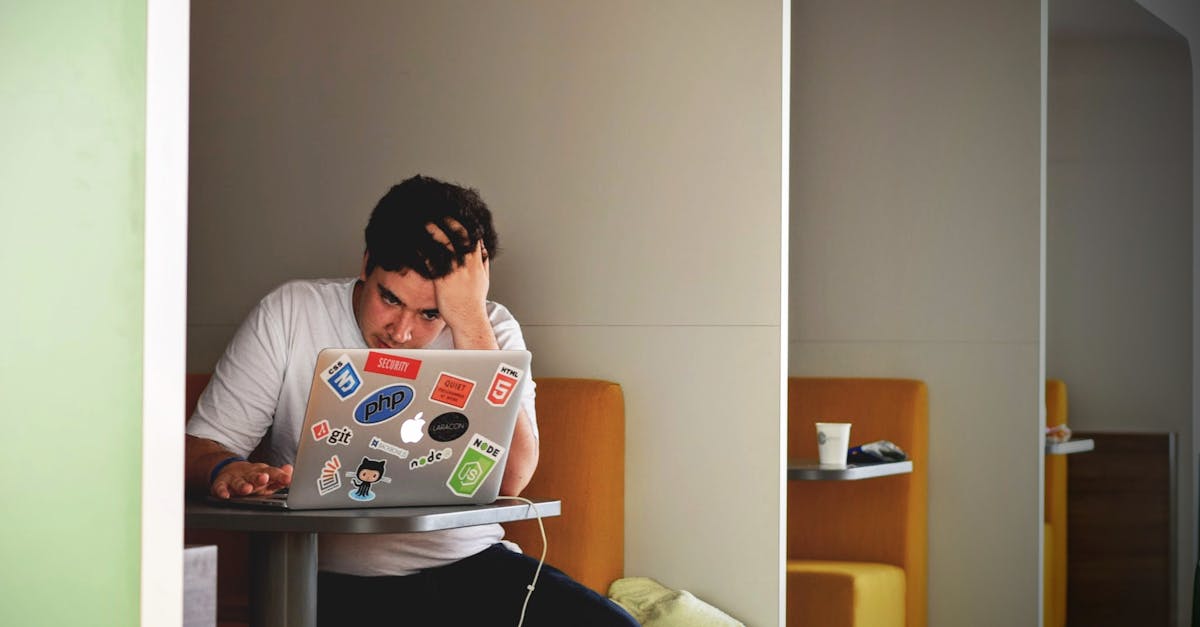
Why do we procrastinate even when we hate it? The answer is emotion regulation, not laziness. Here's what your brain is actually doing when you delay.
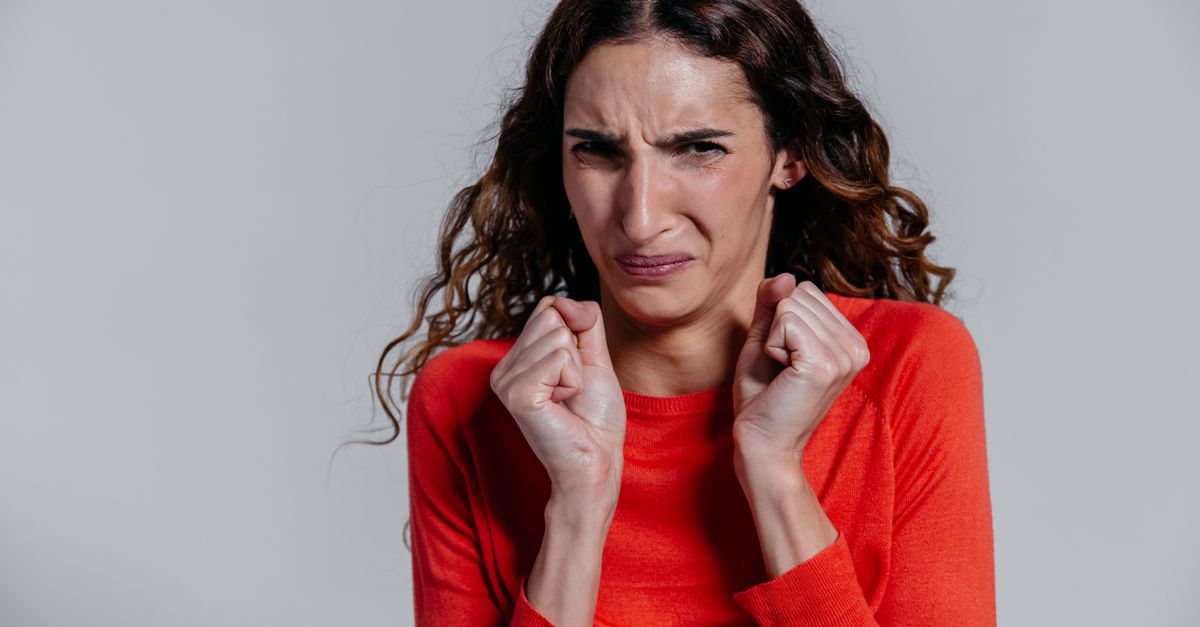
Why do we laugh when uncomfortable? It's not rudeness—it's your brain's conflict response. Learn the neuroscience behind nervous laughter and what it signals.

Why do we gift flowers? The Victorian language of flowers was a coded communication system—but we've kept the practice even after forgetting what the flowers mean.

Friday the 13th feels unlucky thanks to centuries-old fears of 13 and Friday—but the pairing only emerged in the late 1800s, and studies show no real bad luck.

The pirate eye patch legend combines real naval tactics with Hollywood myth. Here's what historians actually know—and what we're still guessing about.

Tipping culture, ice in everything, drive-thrus, identical Thanksgiving meals, no vacation. Here's when—and why—these American habits became normal.
From Switzerland's guinea pig rule to Japan's noise limits, these weird laws sound fake but aren't. Here's why they actually exist.