

I still have a drawer with three dead iPods in it. One is cracked, one won’t hold a charge anymore, and the third just refuses to turn on no matter what I try. I keep them because throwing them out feels wrong, like I’d be admitting something I’m not ready to admit yet.
Those old iPods are among the forgotten technologies people actually miss. The technologies we ditched in the 2010s weren’t always worse than what replaced them. We traded battery life for features, durability for thinner devices, and the ability to repair things ourselves for sleeker designs we can’t open without voiding a warranty. Some of that trade was worth it. Some of it wasn’t. And now, both market trends and consumer behavior are suggesting we gave up more than we realized.
1. Flip phones that lasted a week on one charge
The Motorola Razr could go five to seven days between charges. So could most Nokia flip phones from the mid-2000s. Modern smartphones, despite massive improvements in battery density, still struggle to make it past 18 hours under normal use. The difference isn’t the battery—it’s that older phones did exactly two things (calls and texts) while smartphones run dozens of background processes at all times.
When Samsung and Motorola relaunched flip phones in the early 2020s, the Galaxy Z Flip found a real audience—people who weren’t just being nostalgic, but choosing a form factor that actually solves problems smartphones created. Fits better in a pocket. Harder to accidentally unlock. Doesn’t demand constant attention.
2. iPods and other devices that worked offline
The iPod held your entire music library and required zero connectivity to function. You could load it once, walk away from the internet for a month, and still have all your music. Modern streaming phones require constant connectivity, drain battery faster, and stop working the moment you lose signal or cancel a subscription.
Apple discontinued the iPod line in 2014, not because people stopped wanting dedicated music players, but because the iPhone could do everything and cost more. It was a business decision. The secondhand electronics market tells a different story: refurbished and used portable music players remain a steady category on resale platforms, and offline music libraries are seeing a quiet resurgence among people tired of subscription fatigue. The “outdated” model solved a problem we still have.
3. Nokia-era phones you could repair yourself
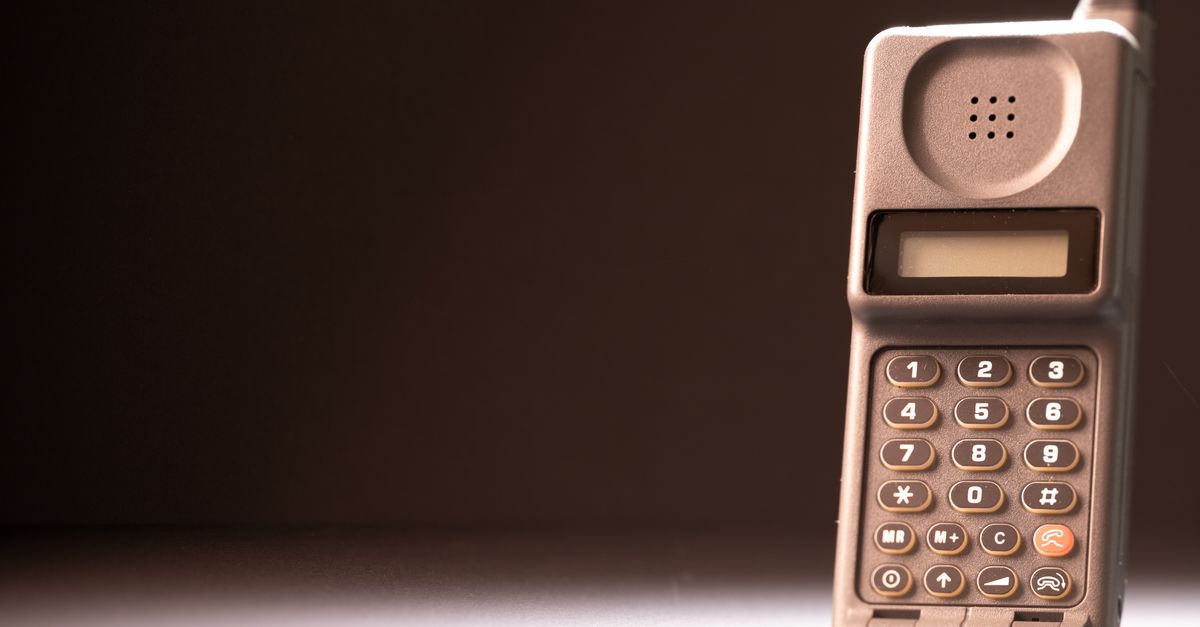
Early Nokia phones were modular. Battery died? You bought a replacement for $15 and snapped it in. Screen cracked? A third-party shop could fix it for $30. No appointment, no manufacturer approval, no “this will void your warranty” disclaimer.
Smartphone repair costs have risen significantly since the early 2010s. A cracked screen that cost $50 to fix in 2010 now runs $200–$400 for many flagship models, according to Consumer Reports. A lot of that escalation comes from design: soldered components, proprietary screws, glued-shut cases. Older phones weren’t designed to resist repair. Modern ones are. That’s not an accident—it’s a business model. Devices that break and can’t be fixed get replaced faster.
The right-to-repair movement has made this a mainstream conversation now. New York passed the Digital Fair Repair Act in 2022, requiring manufacturers to make parts, tools, and repair information available to consumers and independent shops. The FTC has actively supported right-to-repair policy at the federal level, issuing reports and enforcement guidance pushing back against manufacturer repair restrictions. The European Union’s Ecodesign for Sustainable Products Regulation, adopted in 2024, mandates repairability standards and parts availability timelines for electronics sold in member states. The fact that this required legislation tells you everything about how far we drifted from the Nokia standard.
4. Digital cameras that just took pictures
Smartphones are better cameras than most point-and-shoot digitals from the 2000s, but they’re worse at the thing those cameras did best: take a photo without requiring you to unlock a device, close three apps, dismiss two notifications, and then open the camera app. A dedicated digital camera had one job. You turned it on and pressed a button.
There’s a secondary loss here that’s harder to quantify: photos taken on a camera stayed on the camera until you chose to move them. Smartphone photos auto-upload to cloud services, get scanned by algorithms, and live in ecosystems you don’t fully control. Some people miss the older model not because the image quality was better—it wasn’t—but because the camera was theirs in a way a smartphone photo library isn’t.
5. Laptops with batteries and RAM you could replace

The 2012 MacBook Pro is still popular among people who want a Mac they can actually repair. You could open it with a screwdriver, swap the hard drive for an SSD, upgrade the RAM, and replace a dead battery yourself. Total cost: maybe $100 in parts. Total time: an hour, if you were slow.
Modern MacBooks solder the RAM to the motherboard and glue the battery into the chassis. When the battery dies, Apple charges $199–$249 to replace it depending on the model, and if you want more RAM, you have to buy a new machine. Third-party shops can sometimes do the work for less, but Apple’s design makes even simple battery swaps require specialized tools and significant disassembly. iFixit’s repairability scores for recent MacBooks hover around 1 or 2 out of 10. The 2012 model scored a 7. That’s not planned obsolescence by accident—it’s planned obsolescence by design.
According to the EPA, e-waste is one of the fastest-growing waste streams in the United States, driven in part by shorter device lifespans and barriers to repair. Devices that could be fixed with a $50 part replacement instead get discarded and replaced with new units, contributing millions of tons of electronic waste annually.
6. “Dumb phones” making an actual comeback
Gen Z is buying refurbished Nokia 3310s and old flip phones, and it’s not just a fashion statement. It’s a reaction to screen-time anxiety, social media burnout, and the constant connectivity smartphones demand. A phone that only does calls and texts isn’t “downgrading” if what you actually need is a way to be reachable without being always reachable.
There’s a small but growing market for modern dumb phones—devices with updated hardware but limited functionality. The Light Phone and similar minimal phones aren’t nostalgia products. They’re designed for people who tried the smartphone model and decided it wasn’t working for them. That’s not sentiment. That’s a use case.
Frequently asked questions
Why did flip phones disappear if people liked them?
Nokia and Motorola stopped making them because smartphones offered higher profit margins and faster replacement cycles. Market consolidation killed the flip phone, not lack of consumer interest.
Is older technology actually better than new technology?
Not universally, but specific older technologies solved problems smartphones created: longer battery life, easier repairability, offline functionality, and single-purpose focus. “Newer” isn’t always better for every use case.
What old technology is actually making a comeback?
Flip phones (Samsung Galaxy Z Flip, Motorola Razr), vinyl records, film cameras, and dumb phones all have real commercial traction now. Some of it is aesthetic nostalgia, but a lot of it is functional preference.
The things we miss weren’t all better, but they were better at specific things we didn’t realize mattered until they were gone. Battery life. Durability. The ability to fix something ourselves. The option to own a device that worked without an ecosystem. If you’re feeling that pull toward older tech, it’s worth asking what you’re actually missing—and whether the trade we made was the one we thought it was.