
Why We Throw Salt Over Our Shoulder When We Know Better
Throwing salt over your shoulder is pure superstition—yet we still do it. Here's why the ritual persists, from Roman currency to modern anxiety management.
Ten minutes, slightly smarter
35 articles
History is not only kings and battles; it is the quiet origin of the ordinary things all around you. Everyday History uncovers how familiar objects, words, and customs came to be — the small inventions and half-forgotten decisions that quietly shaped daily life.
Each story is grounded in reputable sources, with credit given to the people and discoveries behind it, and honest acknowledgment when the historical record is genuinely murky.
Start exploring below and discover the surprisingly long stories hiding inside the everyday.
Throwing salt over your shoulder is pure superstition—yet we still do it. Here's why the ritual persists, from Roman currency to modern anxiety management.

The Friday the 13th superstition is barely 120 years old, not ancient. Here's how a 1907 novel created a fear we built into our skyscrapers.

The black cat superstition isn't ancient folklore—it's a 20th-century American pop-culture invention that causes real harm to shelter cats today.

Discover how handwritten letters evolved from Roman tablets to Victorian love notes—and why they're more meaningful now than ever before.

Why do we paint our nails? The answer flipped from ancient status symbol (proof you don't work) to modern self-expression tool. Here's the 5,000-year history.

Why do we toast at celebrations? The origin stories are messier than you think — competing theories, cultural variations, and a ritual that refuses to die.

The history of the coffee break at work reveals a class divide: white-collar workers claimed it as a perk while blue-collar workers fought for it as a right in the

The fork was once considered immoral and effeminate. Learn how Victorian inventions shaped modern dining rules—and why we're finally letting them go.

Why are wedding dresses white? Queen Victoria popularized it in 1840 as a wealth signal, not a purity symbol. That meaning came decades later.
From ancient Egypt to Victorian ribbon-tied bundles to saved screenshots—how romantic writing evolved, why we abandoned it, and why we're paying to get it back.

Champagne toasts weren't inevitable—the bubbles were a production accident that became magic. Here's how a flawed wine became the world's celebration drink.

From the compliment trap to silence at dinner, discover the counterintuitive houseguest customs that vary wildly by culture—and why they make sense.

The greeting card started as a week's wages in hand-painted luxury. Here's how it became one of the world's major industries—and a source of low-level social anxiety.
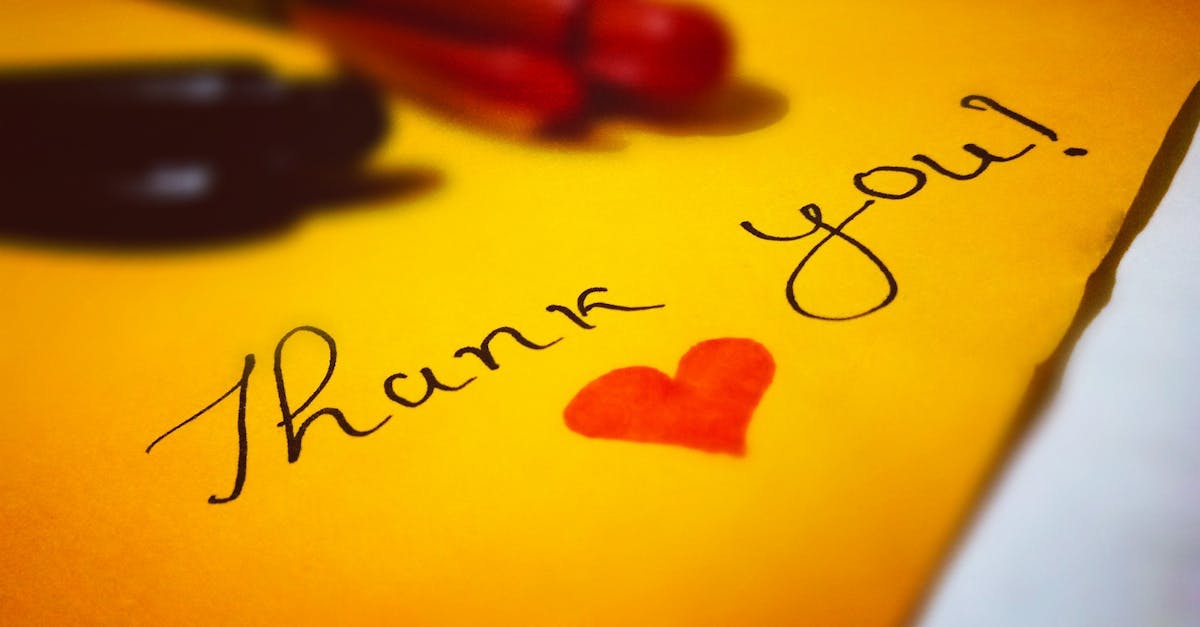
The history of the thank you note traces from Victorian letter culture to Emily Post's rules—and survived email when other handwritten rituals died. Here's why.

Forgotten hotel culture from the 80s was driven by business travel booms and amenity wars. Here's why waterbeds, mini-bars, and neon defined an era.

How aprons went from working-class necessity to middle-class decoration to feminist refusal to luxury craft symbol—a four-act story of class and identity.

Discover how napkins evolved from Roman luxury items to medieval absence to Victorian status symbols—and why paper and cloth napkins signal different things today.

From mistletoe kissing to ugly sweaters, discover why the strangest holiday customs persist—and why their weirdness is exactly what makes them stick.

The toothbrush wasn't invented—it evolved from ancient chew sticks to Chinese boar-hair bristles to nylon. Here's why it took 400 years to spread.

The history of birthday candles is shorter than you think. From ancient Greece to German children's parties to Victorian bakeries, here's how candles became standard.

The origins of April Fools' Day aren't just about a 1582 calendar change. Multiple pranking traditions from Rome, Persia, and beyond converged into one chaotic holiday.

The waltz was banned. The tango came from brothels. Hip-hop was criminalized. Here's the strange origins of common dances we now call classics.

From rubber bands to Post-its, discover the strange histories of common items born from accidents, stubbornness, and sheer luck.

From art competitions to tug of war, these discontinued Olympic sports reveal how the Games evolved—and why merit wasn't always the deciding factor.

The history of gift wrapping spans centuries, from ancient silk and furoshiki to modern paper. Discover when wrapping was invented and why we still do it.

From rollerskating to church to burning effigies, these unusual celebrations worldwide reveal how strange seasonal customs make perfect sense in context.

These vintage wedding customs and old marriage rituals vanished not because they were bad, but because we forgot what they meant. Here's why couples are reclaiming them.

From soup spoon angles to silent children, these bizarre historical etiquette rules reveal how manners were tools of class and control—and some still linger.

The word 'apology' once meant defense, not regret. Here's how saying sorry evolved from honor cultures to modern digital non-apologies.

The history of the password begins in 1961 as a temporary MIT solution. Sixty years later, we're still trapped in a system everyone agrees is broken.

The high five traces back to 1977, when Glenn Burke slapped Dusty Baker's hand in a Dodgers dugout—accidentally inventing modern sports celebration.
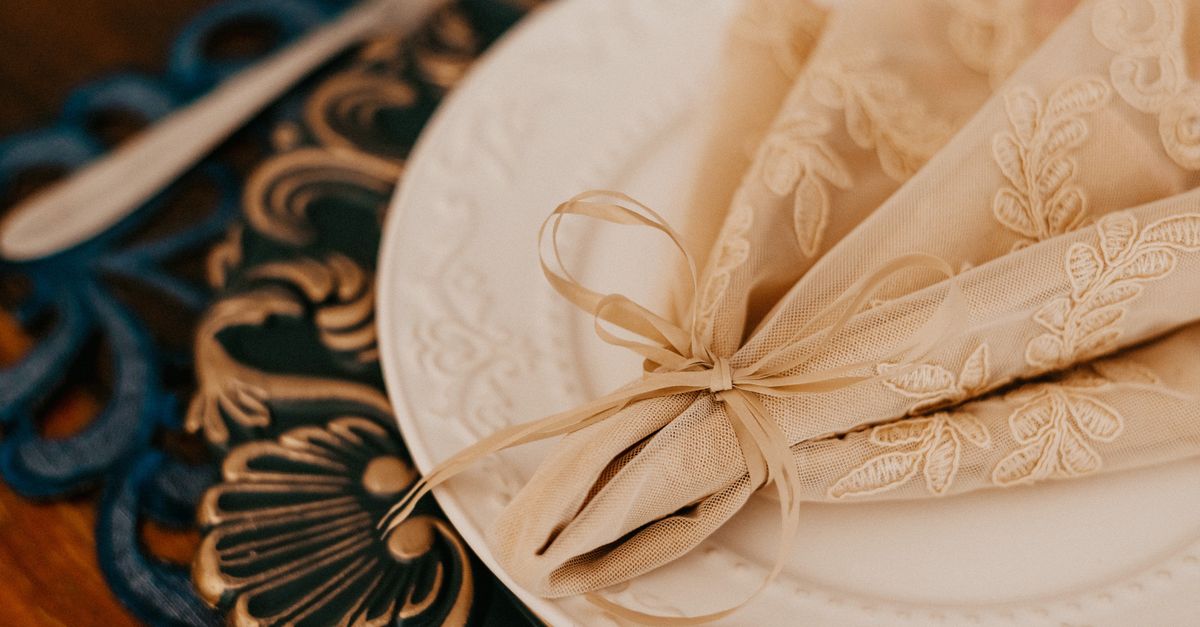
The history of the fork spans 1,400 years of cultural resistance. Learn why this eating utensil was called sinful, effeminate, and unnecessary—and why forks have prongs.

Most idiom origins you've heard are probably wrong. Learn which strange origins of common idioms are real, which are myths, and how to tell the difference.

The handshake survived plague, germ theory, and COVID-19. Here's why we can't shake the habit — and the messy history behind a greeting we take for granted.
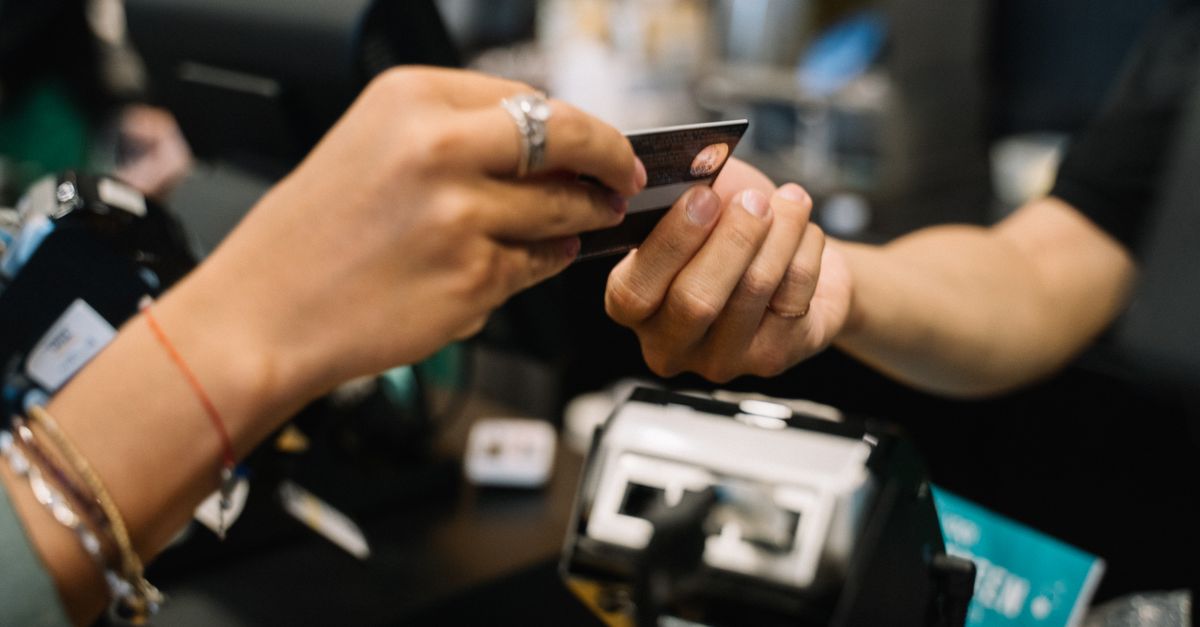
Tipping was once rejected in America as a degrading European import. Here's how it became normalized, who pushed for it, and why we're stuck with the system today.