

The waltz was banned from respectable ballrooms in 1797. The tango was born in Buenos Aires brothels. The Charleston got outlawed in at least seven American cities in 1925. Every dance that’s now taught in wedding packages was once treated as a threat to civilization.
The pattern is more predictable than the choreography: working-class or immigrant community creates a dance, moral panic follows, a generation passes, the next wave adopts it as tradition. This is about the dances we call classic — and what they actually were when they started.
1. The Waltz — Banned to Ballroom Standard in One Generation
The waltz emerged from Austrian peasant dances called the Ländler in the 1770s and reached Vienna’s dance halls by the 1780s. Polite society lost its mind. The problem wasn’t the footwork — it was the hold. For the first time in European ballroom history, a man put his arm around a woman’s waist. They faced each other. They moved together.
London’s The Times condemned it as “a riotous German import.” Anonymous critics published pamphlets warning that the waltz encouraged “voluptuous intertwining.” Several English assembly rooms banned it outright in the 1790s. Vienna’s Hofburg Palace initially forbade it from court events.
Then the timeline compressed. By 1812, Tsar Alexander I was waltzing at the Congress of Vienna. By 1816, London’s Almack’s Assembly Rooms — the most exclusive venue in England — permitted it under strict supervision. By 1825, it was mainstream across Europe. Banned in Vienna in the 1780s, performed at the imperial court by 1815, taught to English debutantes by 1825. One generation.
The objection was intimacy, not immorality, though critics conflated the two. For more on the gulf between Victorian propriety rules and actual Victorian behavior, see Strange Etiquette Rules from History That Sound Absurd Today.
2. The Tango — Who Made It Respectable
The tango fused African candombe, Cuban habanera, and European contradanza in 1880s Buenos Aires. It was born in conventillos (tenement courtyards) and brothels where immigrants, dockworkers, and sex workers gathered. Buenos Aires’ upper class wanted nothing to do with it. Too crude. Too working-class. Too visibly mixed-race.
Then Paris adopted it. Wealthy Argentines traveling to Europe in the early 1900s brought the tango with them, but it was Parisian dance instructors and salon hostesses who laundered its reputation. By 1912, tango teas were fashionable in London and New York. Paris—specifically the city’s dance studios on the Right Bank—turned a brothel dance into a ballroom export. Once European aristocrats were doing it, Buenos Aires’ elite decided it was Argentine heritage after all.
The dance was the same. The dancers were different. The lesson: dances become “respectable” when the right people claim them, not when they change.
3. The Charleston — Which Cities Banned It and Why
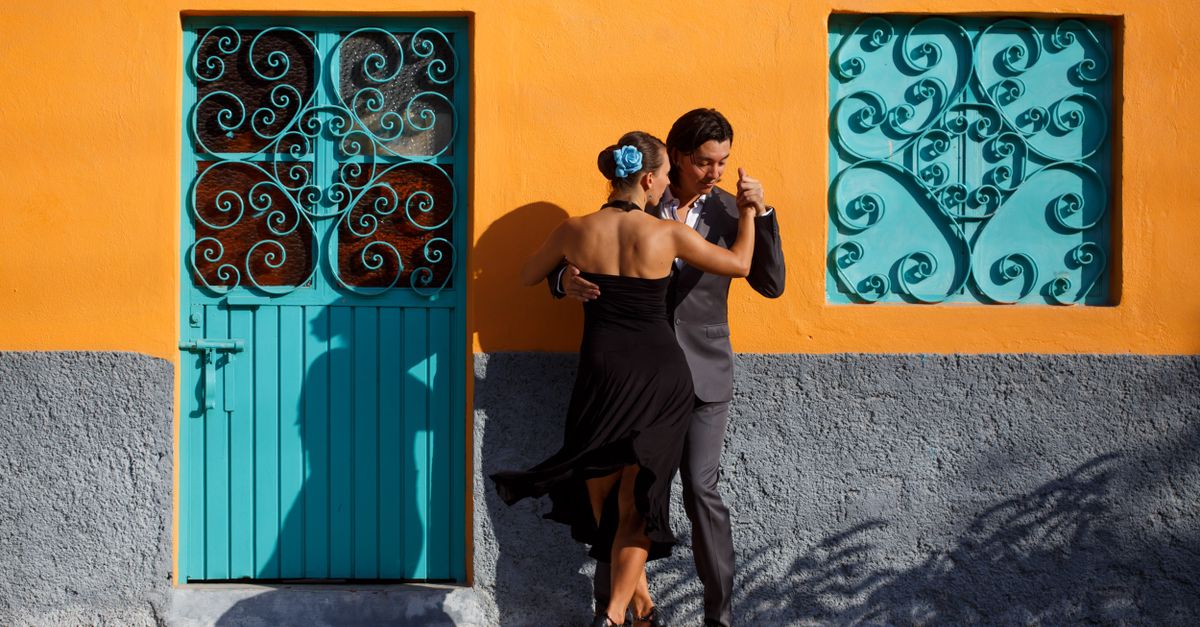
The Charleston originated in African American communities in South Carolina and was popularized in Harlem before the 1923 Broadway musical Runnin’ Wild made it famous nationwide. Composer James P. Johnson’s “Charleston” number became the defining sound of the Jazz Age.
It also became a scapegoat. Cleveland banned the Charleston from public dance halls in March 1925, citing “lewdness.” Paterson, New Jersey followed. So did several venues in Boston and Detroit. Newspapers blamed the Charleston for youth crime, moral decay, and the collapse of traditional values. The Boston Herald called it “a symptom of the national nervous breakdown.”
The fact that it was a Black dance from Harlem made the panic worse. Cultural anxiety and racism fed each other. By the 1930s, the Charleston was just another dance. The outrage was more predictable than the steps.
4. Disco — How the Erasure Actually Worked
Disco evolved in early-1970s New York City as a blend of soul, funk, Latin music, and European electronic experimentation. It was born in predominantly Black, queer, and Latino underground clubs — Paradise Garage, the Loft, the Gallery. DJ Larry Levan, Nicky Siano, and Francis Grasso created the sound. The dancers were the creators.
Then it went mainstream, and the attribution mechanics shifted. Radio programmers selected white-fronted acts for Top 40 rotation. Record labels marketed the Bee Gees and ABBA as the face of disco, which is like crediting a cover band with inventing the genre. The original creators — overwhelmingly people of color and queer artists — were largely uncredited in the version that saturated AM radio by 1978.
When the backlash hit, it targeted the commercialized version but erased the originators entirely. “Disco Demolition Night” in July 1979 — where a Chicago DJ literally exploded a crate of disco records at Comiskey Park — was framed as anti-corporate pushback, but the rhetoric carried clear racial and homophobic undertones. The moves came from somewhere specific. The credit didn’t follow.
5. Hip-Hop and Breaking — Criminalized to Olympic in Fifty Years
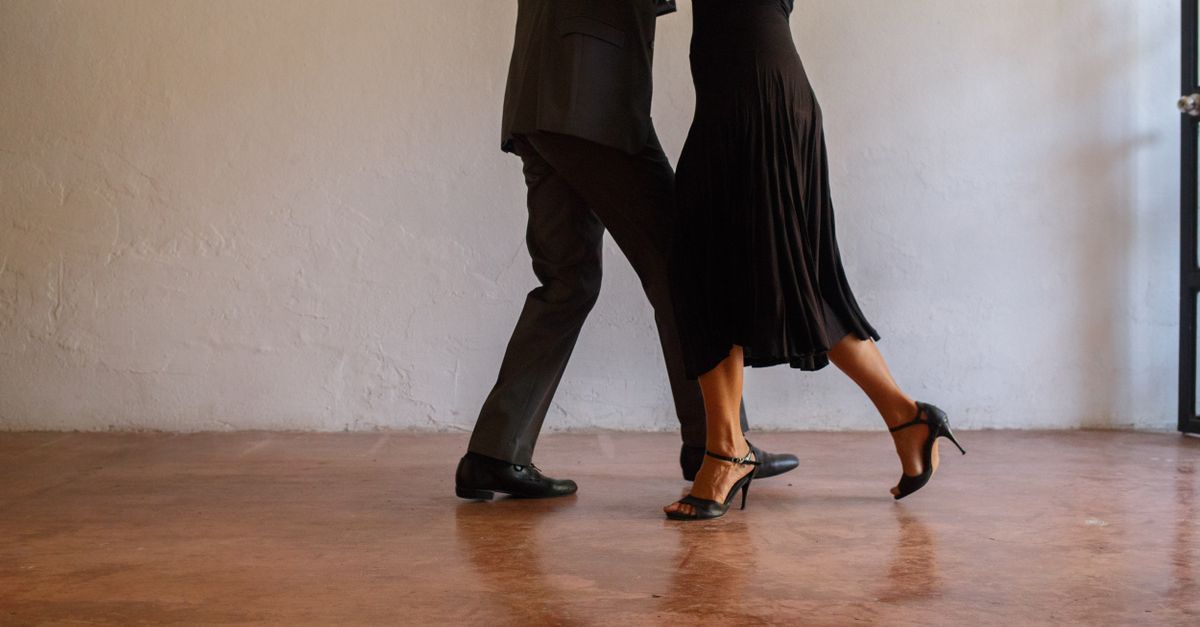
Breaking originated in 1970s Bronx street culture, created by African American and Latino dancers. It pulled from African dance traditions, Brazilian capoeira, and James Brown’s footwork. DJ Kool Herc, Grandmaster Flash, and early b-boys built the culture in parks and block parties.
For decades, breaking was criminalized. Police broke up dance battles. Politicians called it gang activity. Media coverage treated it as urban decay rather than art. Dancers were harassed. The culture was dismissed.
Fifty years later, breaking debuted as an Olympic sport at the 2024 Paris Games. The dance didn’t change. The people in power did.
6. Salsa — A Marketing Rebrand That Flattened History
Salsa is not a single dance. It’s a 1960s marketing term that bundled Cuban son, Puerto Rican bomba, mambo, and cha-cha-cha under one label. The consolidation happened in New York City, where Fania Records coined “salsa” to make Caribbean dance traditions easier to sell. One word instead of explaining six regional styles.
The moves are real. The name is commercial packaging. Salsa is now taught as if it’s one thing with one origin, when it’s actually multiple traditions that got rebranded for convenience.
The Pattern Is Still Running
Viral TikTok dances follow the same cycle, just faster. A teenager creates a dance, it spreads, adults condemn it or co-opt it, six months later it’s in a commercial. The Renegade. The Harlem Shake. Countless others. The internet compressed the timeline from fifty years to fifty days, but the mechanics are identical: marginalized creators, moral panic, eventual appropriation or acceptance.
Every generation treats new dances as threats until the next generation makes them nostalgic. The waltz was indecent. The Charleston was criminal. Breaking was gang activity. Now they’re taught in studios with mirrored walls and wooden floors.
The scandal is always temporary. The steps remain.
Frequently Asked Questions
Where did the waltz come from?
The waltz evolved from 18th-century Austrian peasant dances called the Ländler. It reached Viennese ballrooms in the 1780s and was initially banned or restricted because dancers held each other closely — shocking intimacy for the era.
Why was the tango considered scandalous?
The tango emerged in 1880s Buenos Aires from African, Cuban, and European musical traditions. It was born in working-class neighborhoods and brothels, so Argentina’s elite rejected it as vulgar until Parisian high society embraced it around 1910–1912.
Which cities banned the Charleston?
Cleveland, Paterson (New Jersey), and several venues in Boston and Detroit banned or restricted the Charleston in 1925, citing moral concerns. The dance’s association with Black culture and Jazz Age youth made the panic worse.
Who invented hip-hop dancing?
Hip-hop dancing originated in 1970s Bronx street culture, created collectively by African American and Latino dancers. It evolved from African dance, capoeira, and funk choreography — a cultural movement, not one person’s invention.
Why do people panic about new dances?
Each generation treats novel dances as moral threats. The pattern has held for centuries: the waltz was called indecent in the 1790s, the Charleston was blamed for crime in the 1920s, disco was targeted in the 1970s. The outrage is more consistent than the choreography.
The next time someone dismisses a viral dance trend as frivolous or dangerous, check the archive. Every tradition was once a scandal.