

You’ve been hesitating before handshakes since 2020, haven’t you? That half-second pause where you’re not sure if you’re supposed to extend your hand or do the elbow thing or just wave awkwardly. Research on post-pandemic workplace behavior shows that even after most people went back to shaking hands, a substantial portion still felt uncomfortable about it. We know handshakes pass germs. We know fist bumps are cleaner. Yet here we are, still doing it.
The handshake has survived plague, Victorian-era germ theory panic, and a global pandemic. It’s not hanging on because it works especially well. It’s hanging on because we’re stubborn.
The weapon check myth (probably wrong)
You’ve heard the origin story: handshakes began as a way to show you weren’t holding a weapon. Knights extended empty hands; Romans clasped forearms to check for hidden daggers. It’s romantic. It shows up in nearly every article about handshakes. And it’s probably wrong.
Paleoanthropologists point out that we have no primary source documentation for this. No Roman texts describing the forearm clasp as a weapon check. No medieval manuscripts explaining the handshake that way. The theory emerged in the 19th and 20th centuries—long after handshakes were already standard—as a just-so story to explain something we’d been doing for generations without really knowing why.
What we do have documented: 17th-century merchant ledgers from Amsterdam and London showing handshakes as agreement-sealing rituals. Contracts closed with a handshake. The gesture synchronized two people—a physical punctuation mark on a deal. That’s what the historical record actually shows.
How the Victorians made it mandatory
The modern handshake—firm grip, two to three pumps, eye contact—was standardized in the Victorian era. Etiquette manuals from the 1880s and 1890s codified the rules. “Manners and Rules of Good Society” (1888) devoted entire chapters to proper technique. Too firm meant you were aggressive. Too limp meant you were weak or untrustworthy. The handshake became a test you could fail.
And it was gendered. Women didn’t shake hands with men unless the woman offered her hand first—and even then, only in specific social contexts. A woman extending her hand to a stranger could be read as forward or improper. This held in parts of Europe and the U.S. until the 1920s through 1960s.
The Victorians also knew handshakes spread disease. Germ theory was new and terrifying. Between the 1880s and 1920s, doctors actively discouraged handshakes. Some proposed replacing them with hat-tipping or bowing. But the handshake had already achieved social permanence. Etiquette beat hygiene.
Why handshakes don’t actually do what we think they do

Here’s the uncomfortable part: handshakes are mediocre at everything they’re supposed to accomplish.
Trust? Research in nonverbal behavior shows that firm handshakes correlate with extraversion, not competence or trustworthiness. The “firm handshake = reliable person” belief is cultural conditioning. Weak handshakes carry a social penalty despite no actual disadvantage in character or ability.
Communication? Handshake duration appears to matter more than grip strength. Studies of greeting behavior show that brief handshakes create less positive impression than moderately longer ones, though the optimal duration varies by cultural context. Most people guess wrong about their own timing.
Hygiene? Infection control research has found that fist bumps transmit substantially fewer bacteria than handshakes. Elbow bumps are even cleaner. We’ve known for more than a decade there are better options. We just can’t get ourselves to adopt them.
Here’s the puzzle: we’re not ignorant. The information is out there. So why do we persist?
The answer lies in what neuroscience calls habit persistence under social reinforcement. When a behavior becomes socially mandated—when not doing it carries immediate social cost—rational knowledge alone can’t dislodge it. Research on human behavior shows that social penalty overrides health information almost every time. You can know handshakes are suboptimal and still feel compelled to extend your hand, because the alternative feels like breaking a rule everyone’s watching you follow.
The handshake isn’t surviving on merit. It’s surviving on synchronized social pressure.
The interesting wrinkle: handshakes aren’t universal (and never were)
If you grew up in the West, it’s easy to assume handshakes are a human universal. They’re not. Japan adopted handshakes from Western business culture starting in the 1860s, but bowing remains primary—45-degree angle for respect, 15 degrees for casual greeting. In much of the Middle East and South Asia, the handshake was adopted in formal diplomatic settings, but the right-hand-only rule applies. Informal greetings still favor hand-to-heart gestures or cheek kisses.
In Greenland and among Inuit communities, nose rubbing (kunik) remains the primary intimate greeting. Handshakes arrived with Western contact and stayed in bureaucratic contexts—not because they made sense, but because Western institutions required them.
The handshake spread as Western power spread. It’s not ancient. It’s not human nature. It’s cultural momentum.
What COVID did (and didn’t do)
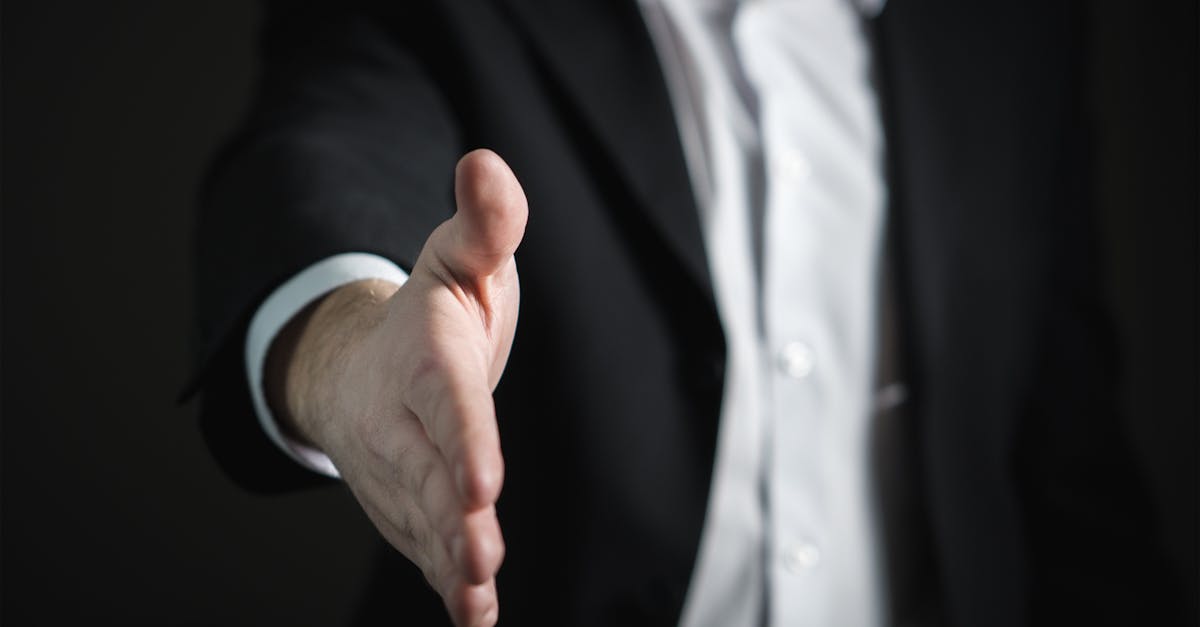
During the 2020 lockdowns, handshakes dropped sharply in Western workplaces. For about eighteen months, we actually stopped. Elbow bumps, fist bumps, waves—all got tried as replacements.
Then most of us went back.
But not uniformly. The return varied by sector in telling ways. Finance and law returned to handshakes almost completely—industries where formality signals trustworthiness and tradition matters. Tech and startup culture shifted permanently toward fist bumps and casual greetings, aligning with an aesthetic that prizes informality. Healthcare settings, where infection transmission was already a documented concern, saw the most lasting adoption of alternative greetings, though even there handshakes staged a partial comeback in patient-facing contexts.
The pause didn’t kill the habit. It just made visible what we’d known intellectually for over a century: handshakes carry infection risk, and we do them anyway because stopping feels weirder than continuing.
Does any of this actually matter?
Here’s the question nobody asks: do handshakes influence real outcomes, or is the whole performance theater?
The research is mixed. Some controlled studies find that a firm handshake creates marginally more positive first impressions in hiring contexts—but the effect disappears when interviewers have other substantive information about candidates. Other research finds no measurable impact on negotiation outcomes, trustworthiness ratings, or professional success when controlling for other factors like confidence and communication style.
The “firm handshake = competence” belief is widely held. Whether it’s actually predictive is a different question. What we do know: handshake quality can create an initial penalty (a limp handshake is read negatively), but there’s little evidence it creates lasting advantage. It’s more like a gate you have to clear than a ladder you can climb.
The mythology may matter more than the reality. We believe handshakes mean something, so we keep doing them.
What it means for you (probably nothing)
If you’re still hesitating before handshakes, you’re not wrong. You’re just noticing something that’s been true the whole time. The handshake survives on social pressure, not merit. You can’t opt out without seeming rude, but you’re not irrational for wishing there were a better option.
The Victorian doctors were right. The COVID elbow-bump advocates were right. The fist bump researchers were right. We just don’t change greetings easily. The last time we did it on purpose was maybe the 1600s, and we don’t even remember why.
FAQ
Why do we shake with the right hand?
Right-handedness is majority in humans, so the right hand became the default for agreements and greetings. In many Middle Eastern and South Asian cultures, the left hand is reserved for personal hygiene, making right-hand greetings a cleanliness norm. Western handshakes adopted right-hand-only without that specific context.
Is it rude to refuse a handshake?
Depends on the setting. Pre-COVID, refusing a handshake in Western business culture could be read as hostile or disrespectful. Post-COVID, there’s more flexibility. Offering an elbow or explaining you’re not shaking hands for health reasons is generally acceptable, though some people will still read it negatively.
What’s the correct handshake grip strength?
Victorian etiquette called for firm but not crushing—enough to show confidence, not enough to hurt. Modern research suggests grip strength matters less than you think; moderate duration and eye contact create more positive impressions than the actual grip.
Do handshakes spread more germs than other greetings?
Yes. Fist bumps and elbow bumps transmit substantially fewer bacteria than handshakes according to infection control research. But germ transmission isn’t the only factor determining social rituals—formality, tradition, and perceived respect also shape what we do.
The handshake will probably outlive all of us. Not because it’s the best greeting, but because it’s the one we’re stuck with.