

I keep a running list in my notes app of champagne toasts I’ve witnessed that had absolutely no champagne in them. Plastic cups of cava at a friend’s wedding. Prosecco at New Year’s. Once, memorably, sparkling cider at a baby shower where someone still said “let’s pop the champagne!” as they twisted off a screw cap. The drink changes, but the gesture doesn’t.
Which raises the question: why champagne at all?
The short answer
We toast with champagne because European royalty in the late 1600s decided fizzy wine was fashionable, and the theatrical pop-and-bubble spectacle made it feel celebratory in a way still wine never could. But here’s the thing: those bubbles were originally a production flaw that winemakers spent decades trying to eliminate before they figured out how to control them—and sell them as luxury.
The accident that became a feature
Champagne, the region and the drink, spent most of its early history dealing with an annoying problem: wine that wouldn’t stop fermenting. The cool cellars of northeastern France would slow fermentation in the fall, then warm spring temperatures would wake the yeast back up inside the sealed bottles. The result was carbonation, exploding corks, and shattered glass. Winemakers called these bottles vin du diable—the devil’s wine.
Then a Benedictine monk named Dom Pérignon spent the 1690s figuring out how to make the explosions stop happening randomly and start happening on purpose. By perfecting the méthode champenoise—thick bottles, tight corks, careful yeast management—he turned an accident into the first reliably sparkling wine. What had been a commercial disaster became a feature wealthy people would pay extra for.
The bubbles themselves were the whole point. Sparkling wine wasn’t just rare or expensive (though it was both)—it was different in a way you could see, hear, and feel.
Why the bubbles matter more than the wine

Here’s what most explanations of champagne toast history miss: it’s not really about the grapes or the French terroir or even the price tag. It’s about the sensory theater.
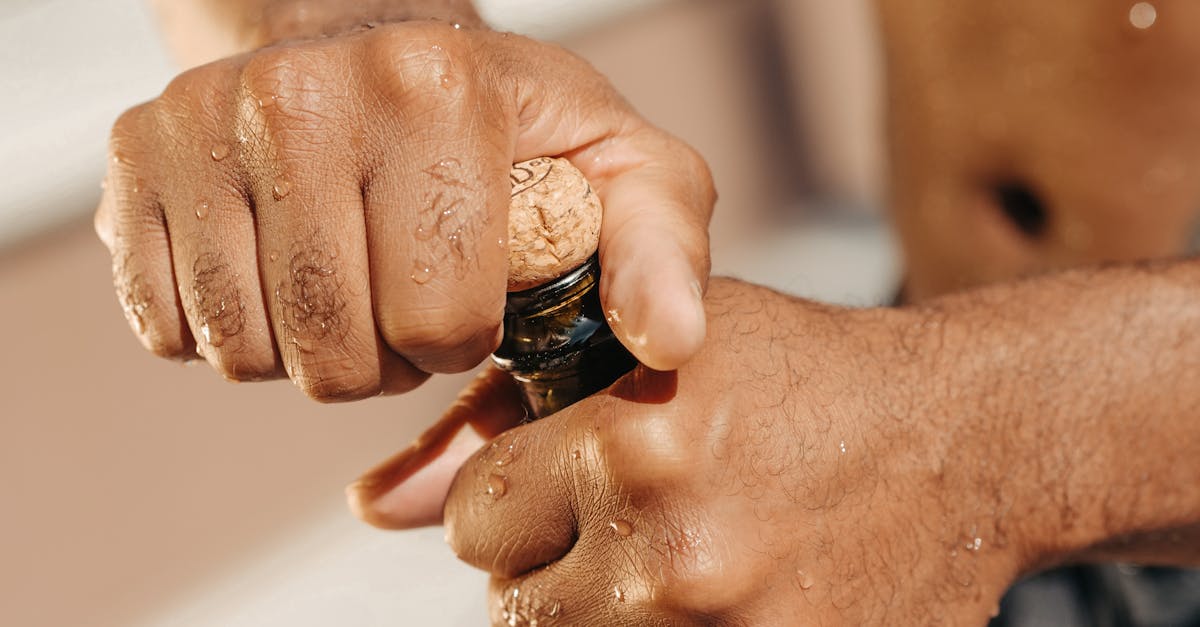
When you open a bottle of champagne, you get a sound—the pressurized pop of the cork. You get a visual—bubbles rising in the glass, sometimes overflowing in a dramatic foam. You get a physical sensation on your tongue—carbonation that still wine can’t replicate. The bubbles engage multiple senses simultaneously, which our brains interpret as “special occasion.”
And that theatrical element mattered in the 1700s just as much as it does now. Champagne became fashionable at the French royal court in the late seventeenth century, and European aristocracy followed that lead. By the 1700s, champagne was the official drink of royal courts, not because it tasted better than other wines, but because serving it was a performance. You couldn’t quietly pour champagne. Everyone noticed.
The carbonation itself does something to perception that flat wine doesn’t. The dissolved CO₂ creates a tingling sensation on the tongue and roof of the mouth—what we experience as effervescence. That physical sensation registers as brightness, liveliness, immediacy. It wakes up your palate in a way that still beverages don’t, which is why champagne feels like the beginning of something rather than the accompaniment to it.
When toasting and clinking became one thing
The champagne toast as we know it today is actually two separate celebration traditions that got merged together: the toast (a verbal wish or honor) and the clink (the deliberate tapping of glasses).
Ancient Romans were toasting as early as the 1st century CE—raising cups to honor gods, emperors, and guests. But they weren’t necessarily clinking glasses together. That part came later, though exactly when and why is murkier than you’d think.
The popular story—that medieval Europeans clinked glasses to splash wine between cups and prove no one had been poisoned—is one of those historical claims that sounds plausible and gets repeated often but lacks strong documentary evidence. The true origin of glass-clinking is genuinely unclear. What we do know is that by the Victorian era, etiquette manuals had formalized the combined ritual: raise a glass of champagne, say something meaningful, clink, drink. What had been fluid regional customs became THE way to mark big moments—weddings, new years, victories. And champagne, with its visual drama and luxury associations, became inseparable from the gesture itself.
Why champagne won (and other drinks didn’t)
Here’s the part that should feel obvious but isn’t: champagne’s dominance as the celebration drink is a marketing victory, not a taste referendum.
Spain has cava. Italy has prosecco. Germany has sekt. Various French regions outside Champagne produce crémant. These are all sparkling wines made using similar or identical methods, and in blind taste tests, many of them score as well as or better than mid-tier champagnes. But champagne had a multi-century head start on luxury branding, royal endorsements, and the kind of self-reinforcing prestige cycle that turns “expensive because rare” into “rare because expensive.”
You toast with champagne because champagne means celebration. Champagne means celebration because people toast with it. The loop closed centuries ago.
And not every culture bought in. In Russia, toasts are made with vodka. In Japan, sake. In Spain, you’ll see cava at weddings more often than French champagne, and in Italy, prosecco dominates for the same reason. The idea that champagne is the universal celebration drink is a Western assumption, and even within the West, it’s more about aspiration than tradition.
The Champagne region itself enforces strict appellation rules—only sparkling wine from that specific region of France, made using traditional methods, can legally be called champagne. That geographic exclusivity keeps supply limited and prices high, which paradoxically reinforces the luxury perception. Scarcity as strategy.
What it means for the rest of us
The next time you raise a glass—champagne, cava, sparkling cider, whatever’s in reach—you’re participating in a ritual that’s part Roman honor custom, part uncertain medieval tradition, part seventeenth-century royal fashion statement, and part modern sensory theater. That’s a lot of history in one gesture.
The drink itself matters less than you’d think. The bubbles, the pop, the clink—they’re all just ways of signaling “this moment is different from the others.” The specifics are accidents of history and marketing. The impulse to mark a moment together is the part that’s universal.
I still call it a champagne toast even when it’s not champagne. Probably always will.
FAQ
Where did the tradition of toasting come from?
Ancient Rome. Romans raised wine cups to honor gods, emperors, and guests as early as the 1st century CE. The practice spread through Europe, with each region adapting it to local customs and drinks.
Why do we clink glasses together?
The true origin is unclear. The popular medieval poison-testing story—that clinking hard enough to splash wine between glasses proved safety—is widely repeated but lacks solid historical documentation. What we know for certain is that by the Victorian era, the combined toast-and-clink ritual had become standard etiquette for formal celebrations.
Do all cultures toast with champagne?
No. Spain uses cava, Italy favors prosecco, Russia toasts with vodka, Japan uses sake. Champagne’s status as the celebration drink is largely a Western luxury phenomenon driven by centuries of marketing and royal endorsement, not universal tradition.
For more on rituals with murky origins, see Why Do We Say Bless You After Sneezing? and Why Do We Knock on Wood? Origins of a Stubborn Superstition.