
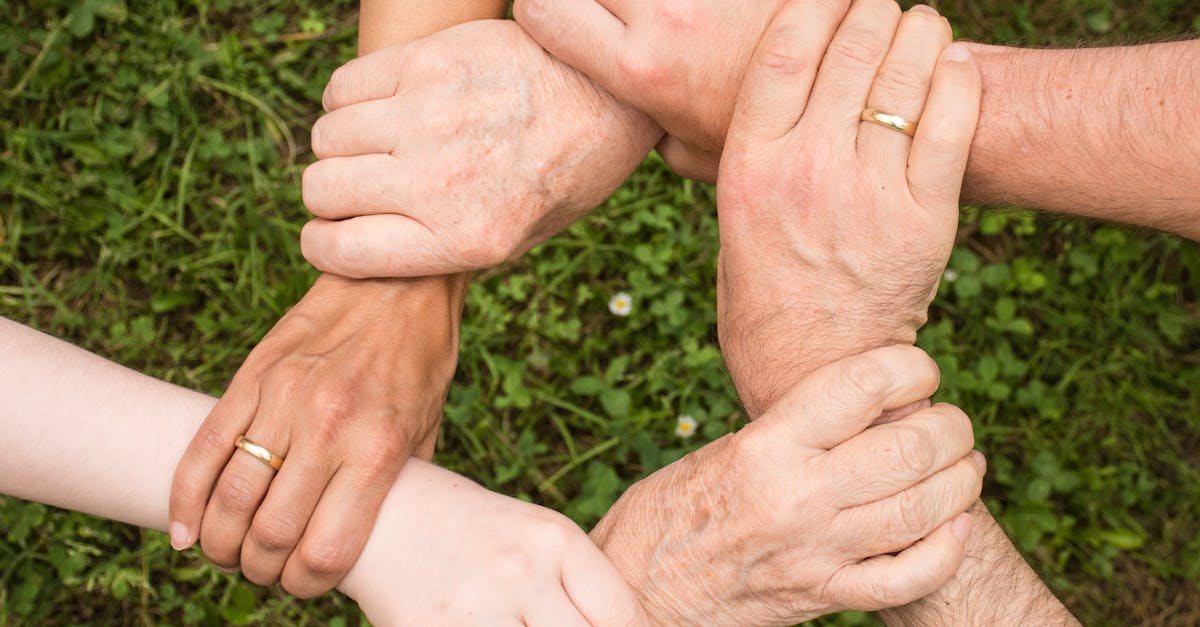
I’ve got a friend I’ve known since college who won’t drink coffee with me unless we’re sharing the same pot. No Starbucks runs, no separate orders—if we’re catching up, we split a French press at her kitchen table. I thought this was just her being particular until I started researching friendship traditions and realized: we’ve got a ritual. It’s not as dramatic as slicing our palms or exchanging names in front of witnesses, but it’s doing the same work those practices have done for thousands of years.
The strangest friendship rituals around the world aren’t strange at all once you understand what they’re for. They formalize bonds in cultures that couldn’t just add someone on social media or split a lease to prove commitment. Blood ceremonies, name exchanges, and shared vessels created legally recognized obligations before contracts existed. And here’s the part that surprised me: we’re still performing friendship rituals—we’ve just convinced ourselves we’re not.
1. Blood Bonding Across Continents
Blood brotherhood appears in historical records spanning multiple continents—documented in ancient texts but largely abandoned as legal systems formalized other ways to enforce obligations. The practice involved mixing blood between two people, though many cultures substituted symbolic versions that didn’t require actual bleeding.
Sharing pomegranate juice, mixing saliva, or eating from a communal dish stained red served the same function. The point wasn’t hemorrhage—it was boundary-crossing. You were mingling something essential, making a public declaration that your bodies and fates were now entangled.
This wasn’t poetic. In societies without written contracts, blood bonding created witnesses and enforceable obligations. If your blood brother’s family needed help during a famine, you were expected to respond. The practice survives in modified forms among diaspora communities who maintain cultural ties to these traditions, though actual blood-mixing has given way to ceremonial meals and symbolic gestures.
2. West African Kola Nut Ceremonies
Among Yoruba and Igbo communities in West Africa, offering and accepting kola nuts marks the transition from acquaintance to deep friendship. The ritual predates written records but was documented in Portuguese trader journals from the 16th century and remains actively practiced today across West African communities and their diasporas.
Refusing to share or accept kola nuts signals you don’t trust the person or value the relationship—a serious insult in communities where these ceremonies still carry social weight. The ceremony includes specific language and gestures: the nut must be broken in a particular way, distributed to witnesses, and consumed together.
I like this one because it’s so material. You’re not declaring friendship in the abstract; you’re literally putting something in your mouth that the other person handed you. That’s trust in its most immediate, digestible form. Contemporary practitioners have adapted the ceremony for urban settings and cross-cultural contexts while maintaining its core elements—shared consumption, witnesses, and formal acceptance.
3. Mongolian Airag Sharing
Mongolian herding communities formalize friendship through milk-sharing ceremonies, particularly involving airag (fermented mare’s milk). UNESCO’s intangible cultural heritage documentation describes how sharing from the same vessel symbolizes unity—you’re drinking from the same source that sustained your livestock and, by extension, your family.
This custom makes perfect sense in nomadic contexts. If you’re moving across vast grasslands with limited contact with settled communities, formalizing alliances through shared resources creates mutual obligation. The friend who drinks your airag is the friend who’ll help you find your scattered herd after a storm.
The practice continues today among herding families and has been adapted to modern contexts—urban Mongolians sometimes perform modified versions during Naadam festival gatherings, retaining the core meaning even when the setting has changed. We’re bound by what we share.
4. Greek Island Name-Swapping

In certain Cycladic island communities, formal friends participated in witnessed ceremonies where they exchanged names. Anthropologist Ernestine Friedl documented this practice in the 1960s and ’70s, finding that participants believed taking your friend’s name aligned your spirit or luck with theirs.
This wasn’t metaphorical. People used their friend’s name in specific social contexts, and the exchange created obligations similar to godparent relationships. If one friend fell ill or faced financial trouble, the other was expected to intervene as though it were their own crisis.
The formal ceremony has largely faded from active practice, surviving primarily in scholarly documentation and oral histories. But modified forms persist—nickname exchanges, inside jokes that function as private languages, or friends who introduce each other using affectionate alternatives to legal names. Same impulse, different aesthetics.
5. Maori Hongi
The Maori hongi involves pressing noses and foreheads together—a practice often reduced to “a greeting ritual” but functioning as much more. Cultural documentation describes the hongi as a sharing of breath and spiritual connection, used not just for hellos but to initiate and affirm deep bonds.
This is one of those social customs that gets misunderstood when lumped in with handshakes or cheek kisses. The hongi isn’t about acknowledging someone’s presence; it’s about mingling something essential—your breath, your life force. It’s a friendship tradition that doubles as a spiritual pact.
The practice remains actively practiced and has been adapted into formal diplomatic and cultural contexts—politicians and visiting dignitaries participate in hongi ceremonies, and Maori communities continue to use it in both traditional and contemporary settings. This tells you it’s doing real work beyond nostalgia or performance.
6. Sami Friendship Knots

Among the Sami people of northern Scandinavia, friends historically exchanged knotted leather cords embedded with personal symbols. Wearing the cords together was believed to bind their fates—success, health, and misfortune would be shared.
This practice is recorded in Sami cultural archives and represents the same logic as blood bonding: making the invisible visible. A cord you can see and touch reminds you daily of the obligation you carry. While the traditional cord exchange is rarely practiced in its original form, contemporary Sami artisans have revived elements of the tradition, creating friendship bands and jewelry that honor the historical practice while adapting it to modern life.
Why These Rituals Aren’t Actually Strange
Here’s what shifted my understanding: every friendship ritual that looks bizarre from the outside was survival logic from the inside. Formalizing bonds through ceremony created enforceable obligations in cultures without legal systems, credit scores, or insurance.
The pattern repeats across unrelated cultures because the underlying conditions were similar. When mutual aid determines whether your family survives a harvest failure or harsh winter, verbal promises aren’t enough. You need witnesses, symbols, and shared substances that prove commitment. The specific ritual varies—blood, milk, kola nuts, breath—but the function is identical: converting private trust into public obligation.
We still do this. We just dress it up differently. College fraternities perform initiation rites. Military units share blood chits and unit coins. Friend groups develop private languages and inside jokes that signal membership. I insist on sharing coffee from the same pot with my friend because it means something—it’s our version of the airag ceremony, stripped of horses and grasslands but doing the same work.
Frequently Asked Questions
What is the oldest friendship ritual?
Blood brotherhood appears in ancient Mesopotamian texts and Roman friendship pacts, suggesting the practice is thousands of years old. Its prevalence across unrelated cultures indicates it likely emerged independently multiple times, pointing to a deep human need to formalize bonds through physical or symbolic acts.
Are friendship rituals still practiced today?
Many traditional rituals continue in adapted forms. The Maori hongi remains active in cultural, social, and diplomatic contexts. Mongolian milk-sharing persists among herding communities and festival gatherings. West African kola nut ceremonies are still widely practiced in traditional and diaspora communities. Modern societies have also created new rituals—from friendship bracelets to shared streaming accounts—that serve similar functions of marking commitment and creating mutual obligation.
Why do cultures have friendship rituals?
Friendship rituals formalize bonds, create witnesses to mutual obligation, and mark the transition to deeper trust. In societies without formal legal contracts or enforcement mechanisms, these ceremonies established socially recognized commitments that ensured mutual aid, resource sharing, and loyalty during crises. They convert private relationships into public obligations.
The next time you and a friend have “your spot” at a coffee shop, or you refuse to watch a certain show without them, or you’ve got a handshake nobody else knows—you’re doing it too. You’re performing a friendship ritual. It just doesn’t involve leather cords or pomegranate juice. For more on how everyday customs shape our social lives, read history of the coffee break.