
Origins of Ghost Stories in Different Cultures
Why every human culture has ghost stories—from ancient Rome to modern Japan. The universal pattern reveals something about how we process grief and enforce rules.
Ten minutes, slightly smarter
Ten minutes, slightly smarter
Why every human culture has ghost stories—from ancient Rome to modern Japan. The universal pattern reveals something about how we process grief and enforce rules.

Your brain predicts the next beat and moves into it before you consciously decide. Here's why music makes us move—and why some people don't respond at all.

From Venice gondola scams to Bangkok tailor schemes, learn to distinguish real tourist traps from honest overpricing with concrete red flags you can spot on the ground.

Color psychology is real neuroscience, but weaker and more cultural than marketing claims. Here's what actually happens when you see red, blue, or yellow.

The smell of old books triggers nostalgia through direct brain pathways—but you might be nostalgic for something you never experienced.

Why do we toast before drinking? The ritual creates a synchronized moment of shared attention—and it survived because it solves a real social problem.

Discover the surprising history behind searing, smoking, fermenting, and braising. These cooking techniques started as survival strategies, not culinary mastery.

The history of birthday candles is shorter than you think. From ancient Greece to German children's parties to Victorian bakeries, here's how candles became standard.

From jade plants attracting wealth to gifting succulents bringing bad luck, these plant superstitions persist—and some encode real gardening wisdom.

From eternal fires to abandoned islands, discover the world's strangest tourist attractions and why we're drawn to places that shouldn't exist.

Handwriting feels deeper than typing because it's slower—and that friction forces your brain to think harder. Here's the neuroscience behind why handwritten notes stick.
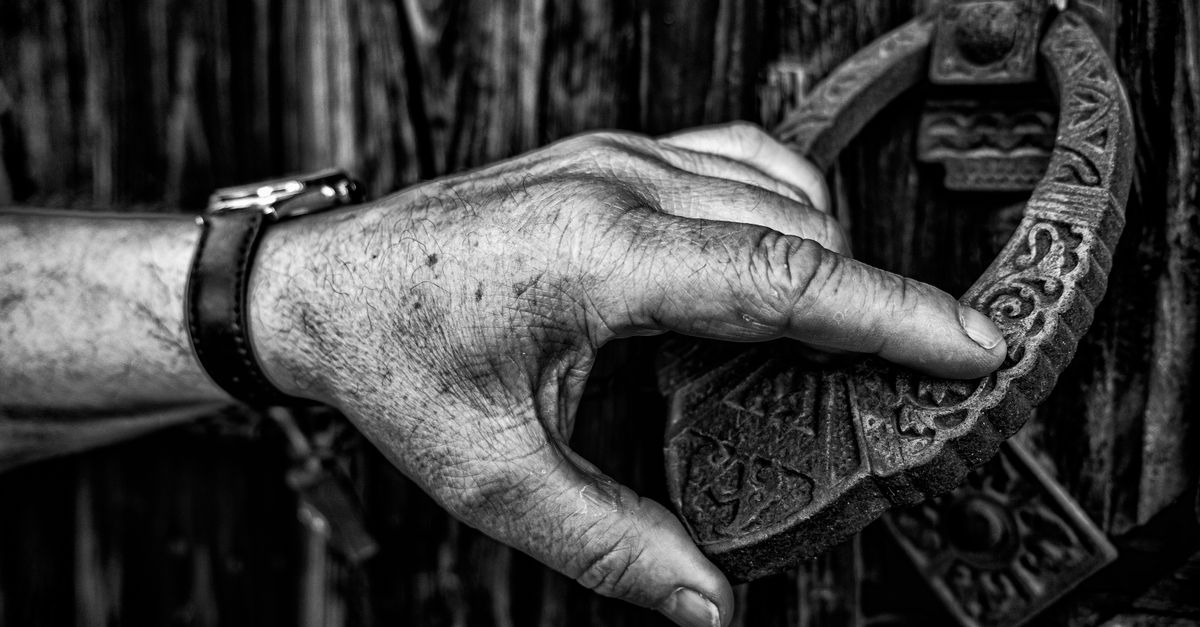
Why do we knock on wood after tempting fate? The origins involve ancient tree spirits, Christian relics, and a surprisingly recent phrase—plus why educated people still

The origins of April Fools' Day aren't just about a 1582 calendar change. Multiple pranking traditions from Rome, Persia, and beyond converged into one chaotic holiday.

These discontinued 80s snacks disappeared for reasons stranger than nostalgia—trademark lawsuits, health trends, and the economics of novelty killed them.

From China's lucky number 8 to bread turned upside-down, discover bizarre food superstitions globally—and the surprising psychology that makes them work.

Why do we gossip? It's not a character flaw—it's an evolutionary adaptation for social bonding and learning. Here's the psychology behind why humans gossip so much.

The waltz was banned. The tango came from brothels. Hip-hop was criminalized. Here's the strange origins of common dances we now call classics.

Why do our hands get pruney in water? It's not water absorption—your nervous system is actively constricting blood vessels to improve your grip on wet surfaces.

Swearing when you stub your toe isn't just venting—it's your body's automatic pain-relief system at work. Here's why curse words specifically help with pain.
From rubber bands to Post-its, discover the strange histories of common items born from accidents, stubbornness, and sheer luck.