
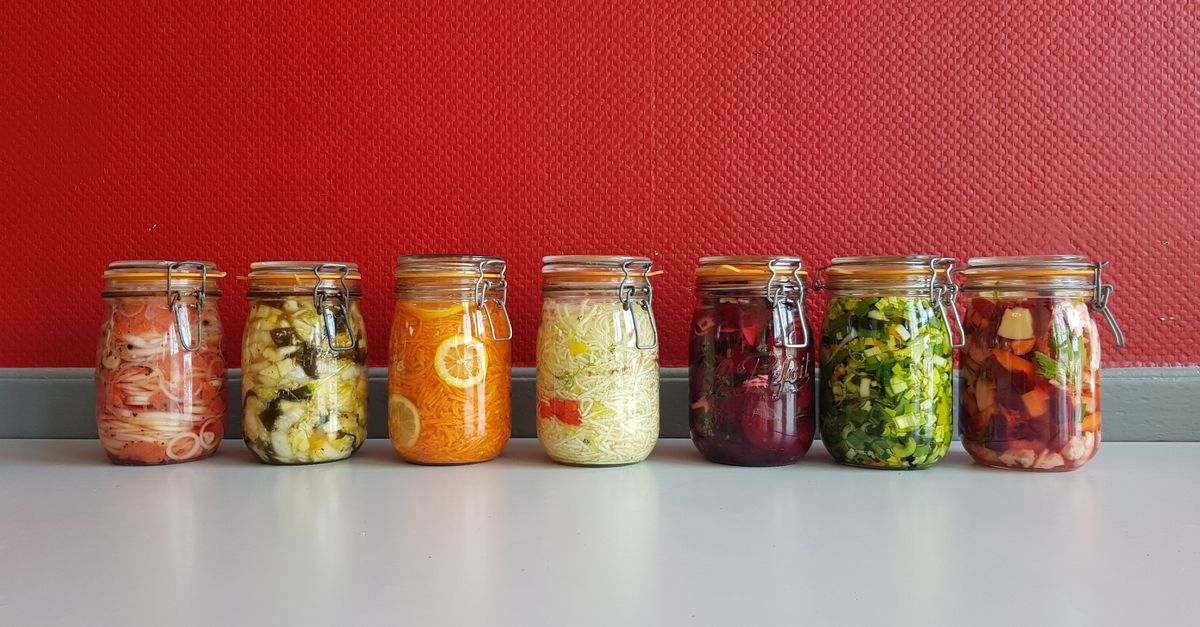
We call them “weird food traditions,” but almost every one was invented to solve a problem we’ve forgotten we had. Fermented foods kept people alive before refrigeration. Spicy curries prevented food poisoning in hot climates. Bone broth squeezed nutrition from resources nobody wanted to waste. What reads as strange today was often the most rational response to real constraints. Here are six cultural food practices that make sense when you understand the logic behind them.
1. Fermenting Everything (Kimchi, Sauerkraut, Miso, Cheese)
Fermentation is having a trendy moment—kombucha, artisan pickles, $14 jars of sauerkraut at Whole Foods. But the reason cultures across the globe developed fermentation techniques has nothing to do with probiotics being fashionable. It’s because there was no refrigerator.
Lactic acid fermentation creates an environment where specific beneficial bacteria—primarily Lactobacillus plantarum and L. brevis—dominate the fermentation process and produce acids that pathogens can’t survive in. Research published through the National Institutes of Health confirms these species suppress Listeria monocytogenes and pathogenic E. coli strains during fermentation, which is how you kept cabbage edible through a Korean winter or turned milk into cheese that lasted months. The fact that fermented foods also happen to support gut health isn’t a coincidence discovered by modern nutritionists—it’s why these traditions survived for thousands of years. People felt better when they ate them.
Preservation came first, flavor came second, and health benefits were the reason it stuck.
2. Soaking Corn in Alkaline Solution (Nixtamalization)
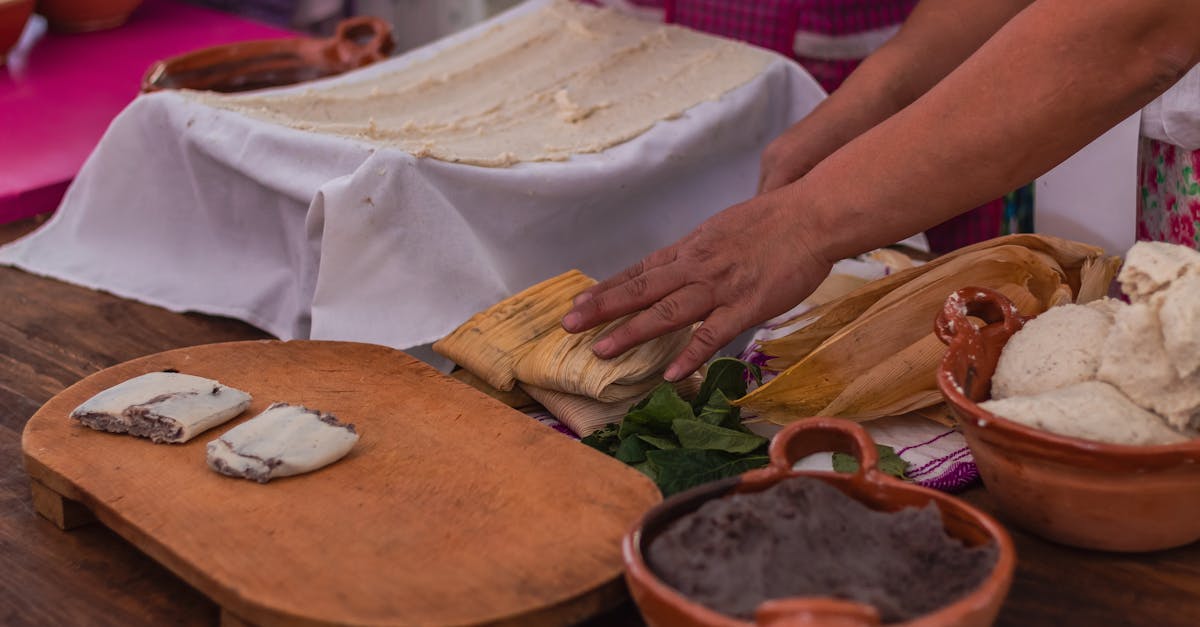
This one seems genuinely strange if you don’t know the chemistry. Traditional Mexican, Central American, and Southwestern U.S. cuisines treat dried corn with lime (calcium hydroxide) before grinding it into masa for tortillas and tamales. It’s an extra step that looks unnecessary—until you learn what happens when you skip it.
Untreated corn doesn’t release its niacin (vitamin B3), and corn-heavy diets without nixtamalization lead to pellagra, a disease caused by niacin deficiency. Soaking corn in an alkali breaks down the kernel walls, makes the nutrients bioavailable, and creates a more complete protein. It also improves the texture and flavor.
This wasn’t accident—it was chemistry that solved a real nutritional crisis. Cultures that figured this out thrived. Those that didn’t faced serious health consequences.
3. Pairing Aged Cheese with Tomatoes (Umami Science)
Your favorite Italian food pairing isn’t romance—it’s multiplication. Parmesan on tomato sauce, aged cheddar on tomato soup, mozzarella and tomato on pizza—these are classics because they trigger umami, the fifth taste, in a way that makes a small amount of protein feel deeply satisfying.
Umami is glutamate plus nucleotides. According to USDA FoodData Central, aged Parmesan contains approximately 1.2 grams of glutamate per 100 grams—one of the highest concentrations of any food. Tomatoes contribute nucleotides (primarily guanosine monophosphate and inosine monophosphate). When you combine them, the umami hit multiplies exponentially, and your brain reads it as “more protein.” That’s why a little Parmesan goes a long way, and why sensory research shows these pairings produce measurably higher satiation than either ingredient alone.
Traditional cuisines didn’t have the molecular breakdown, but they noticed that certain pairings made food taste richer and kept people satisfied longer. This same principle shows up in Japanese dashi (kombu seaweed + bonito flakes), Chinese stocks (mushrooms + meat), and dozens of other food customs explained by the same underlying science.
4. Eating Organ Meats (Nose-to-Tail Tradition)
Liver, heart, kidneys, brain, bone marrow—these weren’t delicacies. They were mandatory. If you had access to an animal, you ate the whole thing, because muscle meat alone doesn’t contain the micronutrients humans need to survive.
Liver is thirty times higher in iron than steak, plus it’s loaded with B12, vitamin A, and choline. Bone marrow provides fat-soluble vitamins and collagen. Brain is rich in omega-3s. Traditional cultures that practiced nose-to-tail eating weren’t being adventurous—they were being efficient. Wasting organ meats would have been wasting the most nutrient-dense parts of the animal.
We stopped eating organs when we got rich enough to afford muscle meat and supplements. But the fact that organ meats are making a comeback in wellness circles isn’t a fad—it’s people rediscovering what worked before we had the option to be picky.
5. Loading Food with Spices in Hot Climates (Antimicrobial Strategy)

Indian curries, Thai pastes, Mexican moles—these aren’t spicy just for flavor. Capsaicin (the compound in chili peppers) is antimicrobial. So are turmeric, cumin, clove, garlic, and a long list of other spices that show up heavily in hot-climate cuisines.
Lab studies referenced by the CDC’s food safety division show that turmeric can reduce Salmonaria growth by up to 80% in controlled conditions, while capsaicin demonstrates significant inhibition of common foodborne pathogens. Before refrigeration, keeping meat from spoiling in tropical heat was a real problem. Spices slow bacterial growth. The pattern is consistent: the hotter the climate, the heavier the spice use—not because people in those regions have different taste preferences, but because that’s how you extended shelf life and reduced the risk of food poisoning.
Geographic analysis of traditional cuisines shows that regions with year-round high temperatures developed spice-heavy cooking methods centuries before refrigeration, and historical records suggest these areas saw lower rates of acute foodborne illness mortality compared to hot-climate populations that didn’t adopt similar preservation strategies. What modern food science validates, traditional cooks already knew: if you live somewhere hot, you season aggressively, and you use the specific spices that keep food safer longer.
6. Simmering Bones for Hours (Bone Broth Across Cultures)
Chinese herbal broths, French stock, Jewish chicken soup, Ethiopian bone stews—every culture with access to bones figured out that slow-simmering them produces something valuable. It’s not just flavor. It’s collagen (which becomes gelatin), amino acids, and minerals leached from the bone matrix.
This was an elegant solution to maximizing nutrition from every available part of the animal. You used the bones that would otherwise be discarded and turned them into a nutrient-dense base for soups, sauces, and stews. The resulting broth was easy to digest, rich in compounds that support joint and gut health, and shelf-stable (especially if you reduced it further).
Bone broth’s current wellness moment isn’t new science—it’s old traditions being repackaged. The difference is that traditional cultures made it because they had bones and couldn’t afford to waste them. We make it because we’re buying bones specifically for this purpose.
Frequently Asked Questions
Why do different cultures have different food traditions?
Geography, climate, available ingredients, and food preservation needs shaped what each culture developed. A hot climate demands different preservation methods than a cold one, which is why you see heavy spice use in tropical regions and fermentation in colder climates.
What are some strange food customs explained?
Most are solutions to real problems: fermentation for preservation, nose-to-tail eating for zero waste, spice use for antimicrobial properties, and nixtamalization to unlock nutrients in corn. What seems strange now was often the most efficient response to the resources and constraints people faced.
How do food traditions start?
Through repeated practical necessity. When a technique works—keeps food safe, makes it more nutritious, extends its shelf life—it gets passed down and ritualized into tradition. The traditions that survived are the ones that kept delivering results.
Are old food traditions healthy?
Often yes. Fermented foods contain beneficial bacteria like Lactobacillus species, bone broth provides collagen and minerals, umami pairings optimize flavor and satiety with measurable efficiency, and nose-to-tail eating delivers micronutrients you don’t get from muscle meat alone. These weren’t health trends—they were survival strategies that happened to support long-term wellness.
The next time you encounter a food tradition that seems unnecessarily complicated, ask what problem it was solving. Chances are, it’s smarter than it looks.