
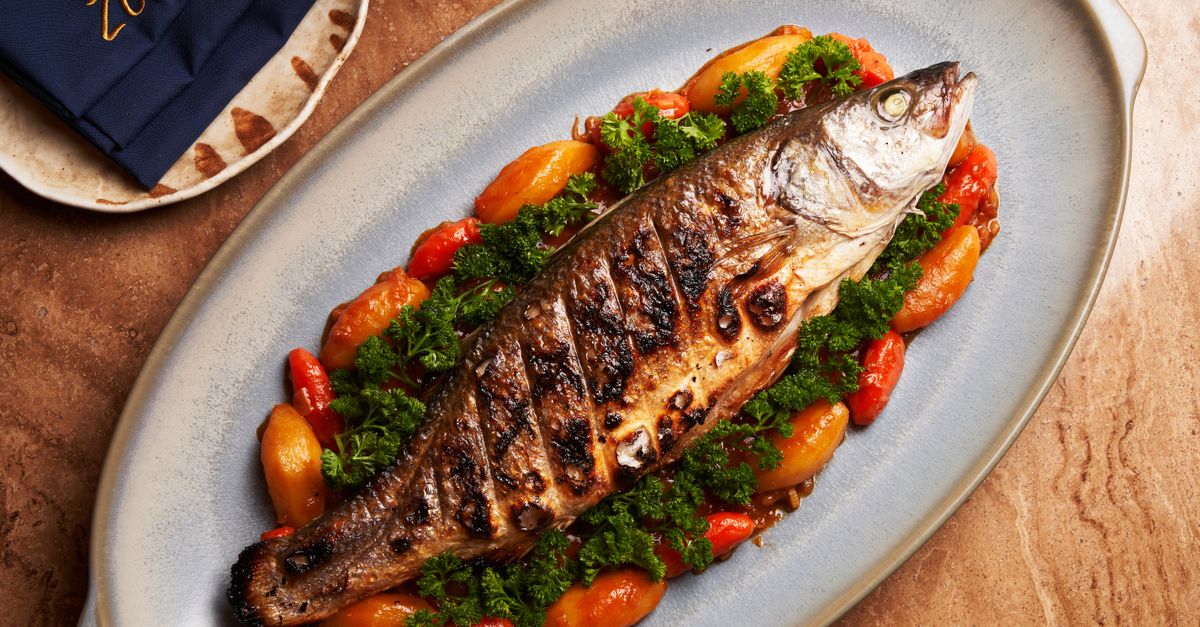
At a traditional Chinese wedding banquet, the whole fish arrives at the table face-intact, eyes staring. The eye is the prize—the part you’re supposed to eat. Declining it signals bad luck or, worse, ingratitude. Imagine being the squeamish American bride married into this tradition, watching your new mother-in-law offer you the gelatinous eyeball on a porcelain spoon.
What reads as “strange” to outsiders is often loaded symbolism to practitioners. Wedding foods around the world aren’t chosen for taste—they’re chosen for what they represent. Luck. Fertility. Abundance. Unity. The same dish that makes a guest uncomfortable is the dish that makes a grandmother feel the marriage has been properly blessed. And increasingly, that gap is where family tensions flare.
Foods for luck: the whole fish rule
In Chinese and Vietnamese wedding traditions, the fish must be whole—head, tail, eyes, everything. The Mandarin word for fish (yú) sounds like the word for surplus, and this phonetic resonance drives the symbolic pairing documented across Chinese cultural heritage practices. Serving it intact signals completeness, an unbroken cycle. The belief extends to course numbers: odd-numbered courses (especially nine) are understood to amplify luck, with foods deliberately chosen for their phonetic resonance.
The eye-eating custom? It’s regional, but where it exists, it’s serious. The eye goes to an honored guest or elder. Modern couples sometimes negotiate around this by serving filleted fish, which causes quiet disapproval from older relatives who see it as cutting corners—literally.
And then there’s the color rule: Chinese wedding tables are aggressively red. Red dates, red peppers, lobster. You will not find salad. Green is avoided because of associations with infidelity; black recalls mourning. The table is intentionally monochromatic, which makes the meal visually striking and texturally monotonous.
Foods for fertility and abundance: the almond signal
Almonds show up across cultures—Italian bomboniere (sugar-coated almond favors), Middle Eastern ma’amoul (almond-stuffed cookies), Jewish traditions pairing almonds with honey. Historically, almonds were expensive. Their presence at a wedding signaled abundance, a family wealthy enough to feed guests something rare.
We’re past almond scarcity now, but the symbolism stuck. In Italian tradition, almond-free weddings still read as budget constraints—a mild shame signal. The tradition outlived the economics.
In Indian wedding traditions, sweetness itself is symbolic. North Indian weddings feature gulab jamun (fried milk solids drenched in sugar syrup); South Indian ceremonies include coconut-based sweets. Turmeric appears in nearly every regional variation, symbolizing prosperity and protection. The symbolism varies by ceremony: what you eat during the welcoming differs from what appears during the actual marriage rite.
Foods for unity: bread, shared bites, and awkward feeds

Jewish weddings feature challah—braided bread symbolizing intertwined lives. Two wine cups, seven blessings, and bread broken together. The challah is often baked by family, making it both symbol and heirloom recipe.
In some Middle Eastern traditions, the bride and groom feed each other symbolic bites in front of guests—dates, honey, or intensely sweet pastries like baklava. It’s performative unity, the edible version of “we are now one household.” For introverted couples, it’s also mildly mortifying, which nobody mentions in the tradition handbooks.
Norwegian weddings stack a towering almond-cream pastry called kransekake during the ceremony. Guests remove rings from the top as the reception progresses. The kransekake functions as both dessert and participatory ritual—everyone dismantles it together.
Foods for prestige: the dishes nobody actually wants
Mexican weddings often feature mole—a sauce requiring multiple chiles, chocolate, spices, and hours of preparation. Serving mole is a flex. It signals that someone in the family has serious cooking skill and was willing to spend considerable time proving it. You’re not just feeding guests; you’re showing what your family is capable of.
And then there’s the food people serve because tradition > taste. Scandinavian weddings feature sour herring—aggressively pungent, an acquired taste even for locals who grew up with it. Italian weddings pile on multiple rich pasta courses until guests are uncomfortably full, because minimalism reads as stinginess. These foods persist not because they’re universally loved, but because skipping them signals a break with the past.
The “forgot why” problem

Here’s the thing: many families no longer know why they serve a specific dish. Just that Grandmother did. And her mother did. Tradition becomes its own justification, which works fine until someone asks, “But do we actually need to serve liver pâté?” and the room goes quiet.
This happens most visibly in diaspora communities. As research on immigrant cultural practices has documented, transmission of food traditions varies widely across generations, with many symbolic elements losing their original context even as families continue observing them. Vietnamese families in the U.S. traditionally use a specific fish for wedding luck. But access is hard—the fish isn’t stocked locally. So families either pay to ship it frozen (expensive), substitute another species (symbolically risky), or abandon the tradition entirely. The meaning fragments when ingredients scatter. The dish that meant “abundance” in one country becomes “logistical nightmare” in another.
The generational negotiation
Younger couples are increasingly negotiating which traditions to keep, and wedding planners report a consistent pattern in how those decisions get made. The foods that survive scrutiny tend to meet at least two of three criteria: the symbolism is clearly explained and resonates personally; the dish is actually palatable to the couple and most guests; or an elder family member cares deeply enough to make the case for it.
They’ll serve the challah but skip the herring. They’ll do the fish but filleted, not whole. They’ll include mole but also a taco bar, because their friends won’t eat an unfamiliar complex sauce. BBC Culture’s reporting on modern wedding practices notes this negotiation playing out across cultures—the desire to honor heritage without performing rituals that feel hollow or incomprehensible.
Parents notice. Elders notice. There’s a quiet tension at modern weddings between honoring the past and feeding people food they’ll actually eat. Some families treat this as betrayal. Others treat it as evolution. Second and third-generation diaspora families navigate this particularly carefully: many still observe traditional wedding foods, but often in modified form, or paired with explanatory cards so non-family guests understand what they’re eating and why it’s there.
The outcome often depends less on the couple’s feelings than on family dynamics—specifically, who has the social capital to override objections, and whether anyone’s willing to spend that capital on fish eyeballs.
Frequently asked questions
Why do weddings serve symbolic foods instead of just what tastes good?
Because weddings aren’t just parties—they’re rituals signaling the transfer of a person from one family unit to another. Foods encode blessings, warnings, hopes. Taste is secondary to meaning. That said, modern couples increasingly want both, which is where the negotiation starts.
Are these traditions changing?
Yes. Access to traditional ingredients varies by location. Younger generations have different palates. And some symbolic foods (fish eyes, sour herring) are hard sells even when explained. The traditions that survive tend to be the ones with the clearest why—or the ones Grandma insists on with enough conviction that nobody wants to fight it.
How do interfaith or intercultural couples handle conflicting food traditions?
Most combine selectively rather than attempting full representation of both sides. The pattern wedding planners describe: choose the two or three most meaningful symbolic dishes from each tradition, explain them to guests, and fill the rest of the menu with broadly appealing options. The alternative—serving everything—results in confused guests and a reception that runs four hours.
If your own wedding involved a food that made half the guests confused and the other half misty-eyed, you’ve lived this tension. The strangest wedding foods aren’t strange to the people who grew up with them—they’re the edible proof that someone remembered, that the thread didn’t break. At least not yet.