

Almost every hiccup remedy works for about five minutes—which is suspiciously close to how long the average hiccup bout lasts anyway. The uncomfortable truth is that most hiccups resolve on their own within 48 hours, usually much faster, making it nearly impossible to tell whether your ice water trick actually worked or your diaphragm just decided it was done with you.
The short answer
Home remedies for hiccups that involve breath-holding, ice water, or breathing into a paper bag have the strongest physiological basis—they work by stimulating the vagus nerve or increasing carbon dioxide levels, which can interrupt the hiccup reflex. Clinical studies show vagal maneuvers can resolve persistent hiccups in 60-80% of cases. But many popular hiccup cures succeed primarily because they distract you long enough for the hiccups to stop on their own.
Why we hiccup in the first place
Hiccups are involuntary spasms of your diaphragm triggered by irritation of the phrenic nerve. The weird part? We still don’t know why we do it. One hypothesis is that hiccups are an evolutionary leftover from our distant aquatic ancestors, who used similar muscle movements to push water through their gills. We kept the reflex. Lost the purpose.
Your diaphragm contracts suddenly, your vocal cords snap shut, and you make that distinctive “hic” sound—annoying, involuntary, and temporary.
Remedies with actual physiology
Some home remedies for hiccups work through real mechanisms, and research is starting to pin down which ones have the best track record.
Ice water and cold stimulation work by activating the vagus nerve, which runs from your brain to your diaphragm. According to the American Academy of Family Physicians, vagal stimulation can interrupt the hiccup reflex by essentially resetting the signal pathway. Drinking ice water slowly, or placing an ice cube on the back of your neck, gives the vagus nerve something else to focus on. Small clinical studies suggest vagal maneuvers resolve persistent hiccups in roughly 60-80% of cases, though most of these studies are observational rather than controlled trials.
Breath-holding is the most commonly suggested hiccup cure, and it has a decent rationale: holding your breath increases carbon dioxide levels in your bloodstream, which can relax the diaphragm and stop the spasms. The trick is to hold it long enough—at least 10 to 20 seconds—to actually shift your CO2 levels. Breathing into a paper bag works the same way, trapping exhaled CO2 so you rebreathe it.
Pressure techniques—like pulling your knees to your chest, leaning forward, or pressing on your diaphragm—physically compress the muscle, which may interrupt the spasm cycle. Think of it like manually resetting a stuck machine.
Remedies that work because they distract you
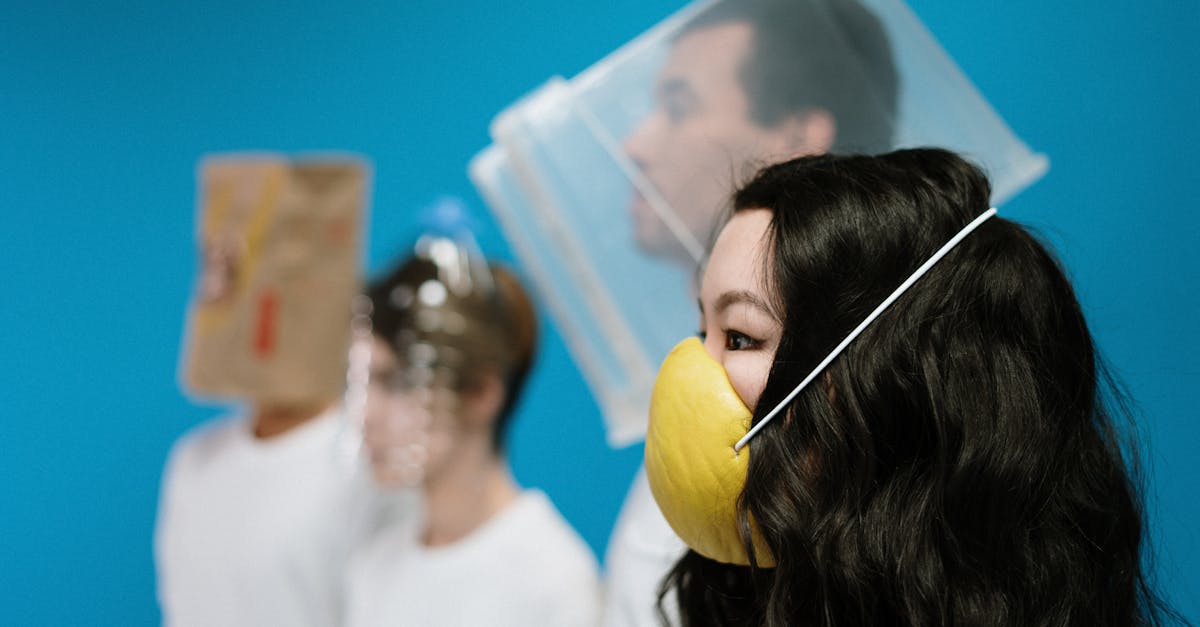
Then there’s the other category: hiccup remedies that succeed because they grab your full attention or trigger a mild physical shock, not because of the specific action itself.
A spoonful of sugar is a classic. The theory is that the granules irritate your esophagus and stimulate the vagus nerve, but much of hiccup remedy success comes from placebo effect or simple attention disruption. You focus on swallowing the sugar, your breathing pattern changes, and by the time you’re done, your hiccup has often timed out.
Being startled works the same way. The sudden jolt interrupts your breathing and resets your nervous system’s rhythm. It doesn’t cure the hiccup so much as distract your body long enough for it to stop on its own.
Gagging or sticking your fingers in your ears both stimulate branches of the vagus nerve, which is real physiology—but the success rate isn’t much better than just waiting. The intervention gives you something to do, which is psychologically satisfying even if it’s not strictly necessary.
The placebo is the point
Here’s the thing: placebo doesn’t mean fake. If a hiccup cure works because it distracts you, changes your breathing, and gives you a sense of control while your diaphragm sorts itself out, that’s still working. The outcome is the same whether the ice water “cured” you or just kept you busy until your nervous system moved on.
The problem with studying hiccup cures is that there’s no good control group. Hiccups are self-limiting—they usually last about five minutes, and almost all of them stop without any intervention. So when you try a remedy and your hiccup stops, you can’t really tell if the remedy worked or if the hiccup was already on its way out. This makes hiccups one of the hardest minor medical phenomena to study rigorously.
Popular myths with no evidence
Some hiccup remedies have entered the cultural canon despite zero physiological basis or clinical support.
Drinking water upside down is a favorite party trick, but there’s no mechanism by which inverting your body while swallowing would affect the diaphragm or phrenic nerve. You’re just drinking water in an awkward position—any benefit is purely distraction.
Holding your nose while swallowing water combines two real mechanisms (breath-holding and swallowing) but adds an unnecessary complication. Research indexed in PubMed Central shows no advantage over simple breath-holding alone.
Vinegar, hot sauce, or other taste-shock remedies lack evidence. The idea is that strong flavors stimulate the vagus nerve, but swallowing any liquid already does that—the specific ingredient doesn’t matter.
If a remedy worked for you once, great. But if it involves acrobatics or ingredient lists, you’re probably just keeping yourself busy long enough for the hiccup to quit on its own.
When hiccups are a real problem

Most hiccups are annoying but harmless. But if yours last longer than 48 hours, the Mayo Clinic recommends seeing a doctor. Persistent hiccups are uncommon, but when they do occur, they can signal underlying issues like gastric distension, acid reflux, nerve damage, or even neurological conditions.
Doctors treating persistent hiccups have several options beyond home remedies. Muscle relaxants like baclofen can calm diaphragm spasms. Antipsychotic medications such as chlorpromazine have shown effectiveness in clinical trials. For hiccups triggered by acid reflux—a common cause—proton-pump inhibitors can address the root problem. In severe cases, a phrenic nerve block can temporarily interrupt the reflex pathway, giving the diaphragm a chance to reset.
Red flags include hiccups accompanied by pain, difficulty swallowing, vomiting, or unexplained weight loss. At that point, the hiccup isn’t the problem; it’s a symptom of something else that needs medical attention.
The longest hiccup on record
Charles Osborne started hiccuping in 1922 after a pig-slaughtering accident and didn’t stop for 68 years. He saw dozens of doctors, tried every remedy anyone could dream up, and lived his entire adult life with a hiccup that recurred every few seconds. Then, in 1990, it just stopped. No explanation. No final cure. His diaphragm decided it was done.
It’s both the most extreme case in medical literature and the strongest evidence that sometimes your body just stops when it’s ready—not because you drank the right water or held your breath the right way.
So the next time you get the hiccups, try ice water if you want. Hold your breath. Eat a spoonful of sugar. Or just wait. Odds are, it’ll be over in five minutes either way.